Skin Regeneration: How Your Skin Repairs, Renews and Restores Itself
Your skin is constantly working to repair itself. From replacing old skin cells to healing minor injuries and maintaining its protective barrier, it follows a natural renewal process every day.
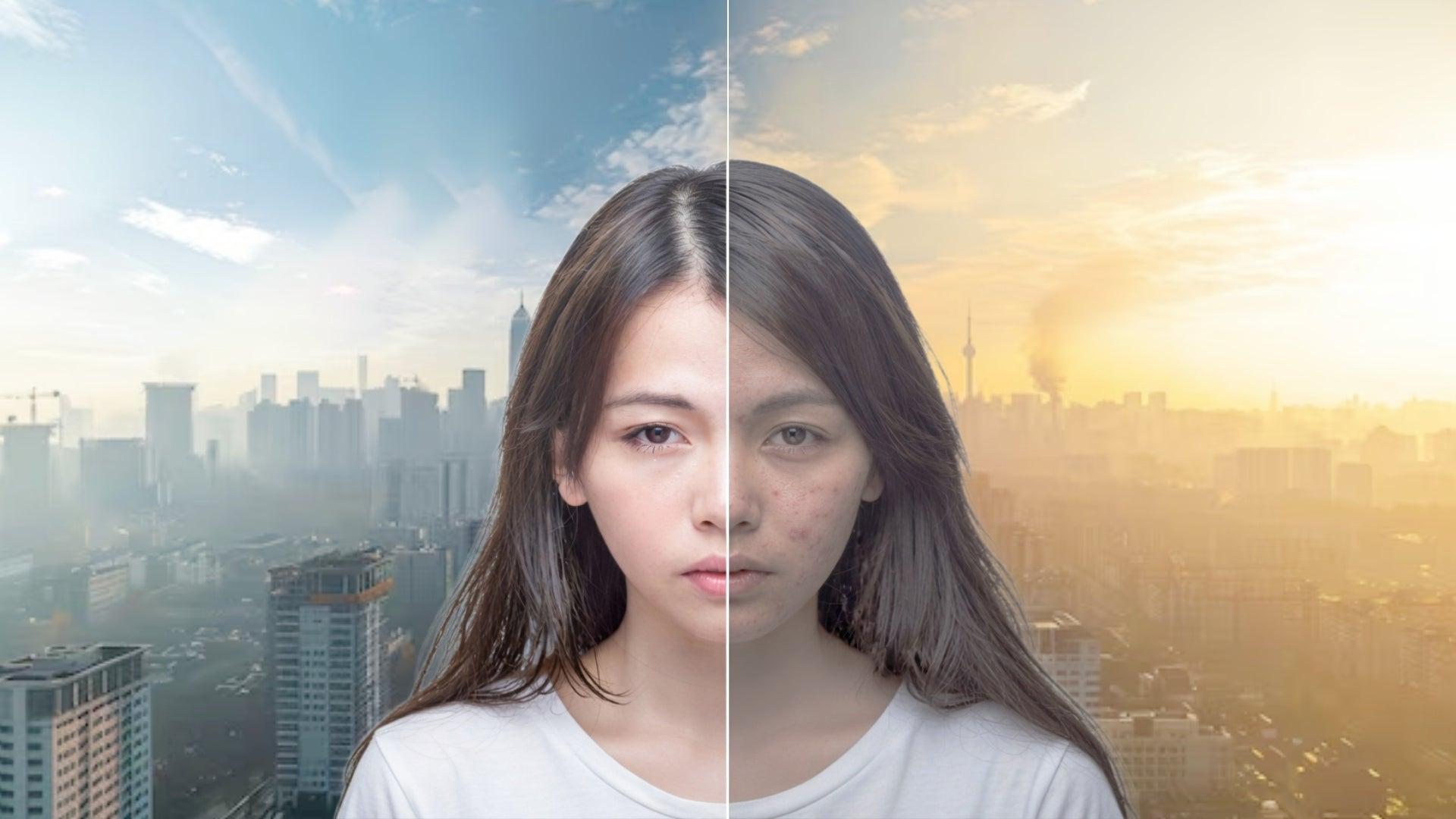
However, this process can become less efficient over time. Ageing, sun exposure, pollution, inflammation and everyday environmental stress can affect how well your skin repairs and maintains itself. You may begin to notice changes such as rough texture, dullness, uneven skin tone or a loss of firmness.
This is where understanding skin regeneration becomes important. Rather than focusing only on the visible signs of skin ageing, it helps to understand what is happening beneath the surface and how you can support your skin’s natural repair process.
Let’s look at how skin regeneration works, what can slow it down and which skincare habits and dermatological treatments may help improve overall skin quality.
Quick Navigation
What Is Skin Regeneration?
Skin regeneration is the natural process through which your skin replaces old or damaged cells, repairs everyday wear and tear and maintains its structure and protective function.
Your skin is not a static layer. It is made up of living cells that continuously renew and respond to changes inside and outside the body.
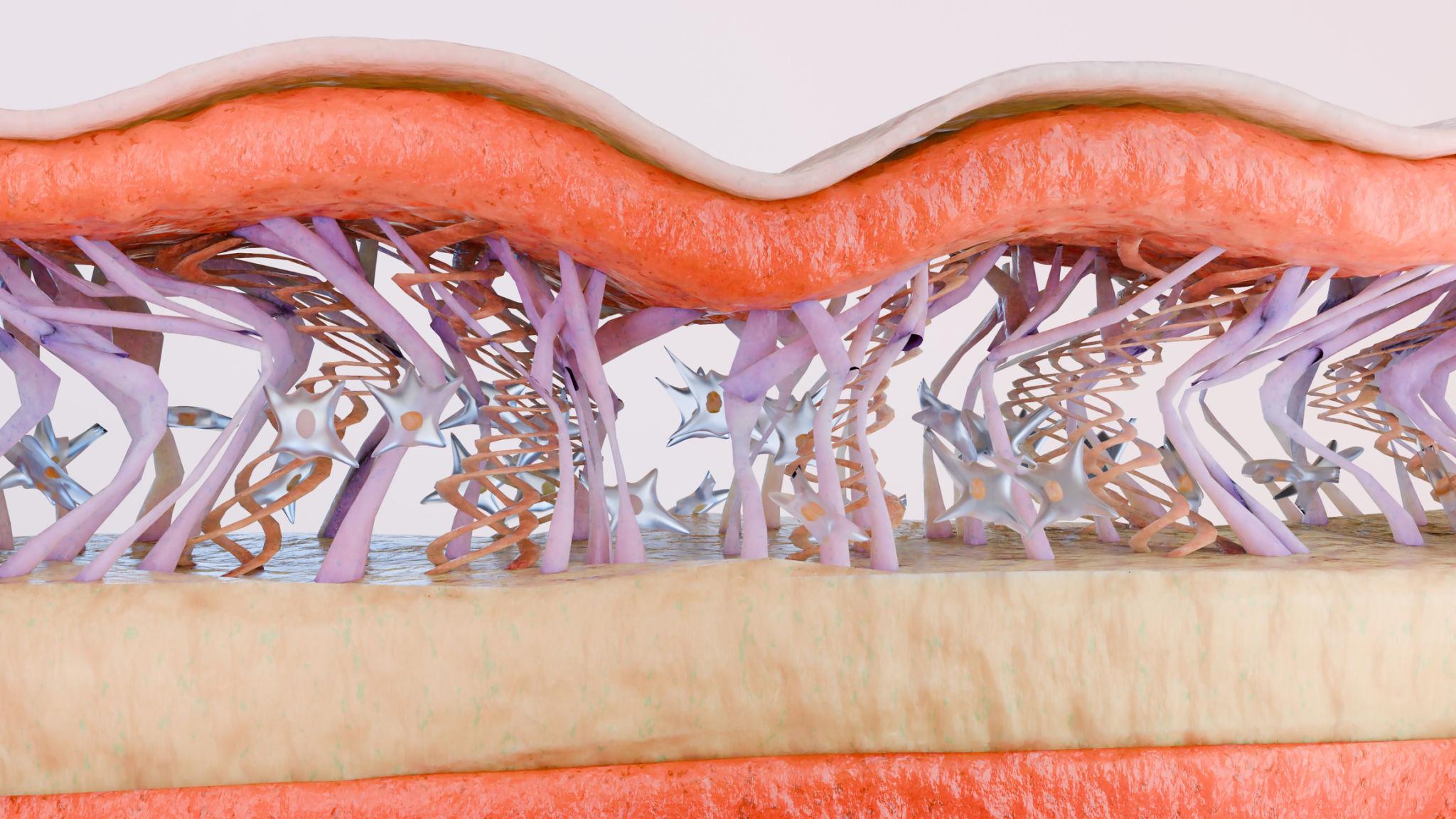
The outer layer, known as the epidermis, regularly produces new cells. These gradually move towards the surface, replacing older cells that are eventually shed. Beneath it, the dermis contains important structural components, including collagen and elastin, which help maintain the skin’s strength, support and flexibility. When the skin is injured, its repair process becomes more active. Different cells and biological signals work together to close the damaged area and rebuild the tissue.
It is important to understand that everyday skin renewal and wound healing are related but not exactly the same. Healthy skin renews itself continuously, while an injury triggers a more complex repair response.
How Does the Skin Repair and Renew Itself?
Skin repair involves several overlapping processes. Each plays a different role in restoring the skin and maintaining its health.
Replacement of Old Skin Cells
The epidermis continuously produces new skin cells, mainly through the activity of cells in its deeper layers. As these cells mature, they move towards the surface and replace older cells.
This natural renewal helps maintain a healthy skin barrier and contributes to a smoother surface. However, the rate of cell renewal can vary from person to person and may change with age, skin conditions and other factors.
Collagen and Elastin Support
The dermis provides much of the skin's structural support. Two important proteins found here are collagen and elastin.
Collagen
Helps give the skin structure, strength and support.
Elastin
Helps the skin stretch and return to its original shape.
These proteins are important for maintaining skin firmness and flexibility. Their structure and organisation can change with age and repeated environmental damage. This is one reason why skin may gradually appear less firm or develop fine lines and changes in texture.
Repair After Skin Damage
When the skin experiences an injury, the body activates a coordinated healing response. This generally involves:
Clotting
Helps stop bleeding and protect the injured area.
Inflammation
Immune cells respond to the injury and help clear damaged tissue.
New Tissue Formation
Skin cells, blood vessels and supporting structures work together to rebuild the affected area.
Remodelling
The newly formed tissue continues to reorganise and strengthen over time.
Healing takes time
The process can take different amounts of time depending on the depth and severity of the injury. In some cases, healing leaves a scar because the repaired tissue does not fully reproduce the original skin structure.
What Can Slow Down Natural Skin Regeneration?
Your skin has an impressive ability to repair itself, but several factors can affect how efficiently this happens.
Ageing
As we grow older, changes in cell activity and the skin's supporting structures can affect its ability to renew and repair itself. Collagen and elastin also undergo gradual changes. This may contribute to fine lines, reduced firmness, dryness and changes in skin texture.
Excessive Sun Exposure
Repeated exposure to ultraviolet (UV) radiation can damage skin cells and contribute to premature skin ageing. Over time, this may affect collagen, skin texture and pigmentation. Protecting your skin from the sun is therefore an important part of maintaining healthy skin.
Pollution and Environmental Stress
Exposure to air pollution and other environmental stressors may contribute to oxidative stress and irritation. For some people, this can aggravate existing skin concerns and affect the skin barrier. A consistent cleansing and moisturising routine, along with daily sun protection, can help support your skin.
Inflammation and Existing Skin Conditions
Ongoing inflammation caused by acne, eczema or other skin conditions can affect the skin's normal functioning. Repeated breakouts, picking at spots or using unsuitable skincare products may also increase irritation and the risk of post-inflammatory marks.
Poor Skincare Habits
Using too many active ingredients, over-exfoliating or frequently changing skincare products can irritate the skin. A damaged or irritated skin barrier may make your skin feel dry, sensitive and uncomfortable. More products do not necessarily mean better results. A suitable, consistent routine is often more helpful.
Healthy skin regeneration is supported by protecting your skin barrier, limiting environmental damage and following a suitable, consistent skincare routine.
If you are dealing with persistent breakouts, read our guide on why acne may not be going away even after using medicines.
How Can You Support Your Skin's Natural Renewal Process?
You cannot stop every age-related change, but you can take steps to maintain your skin's health and support its natural repair functions.
Follow a Gentle Skincare Routine
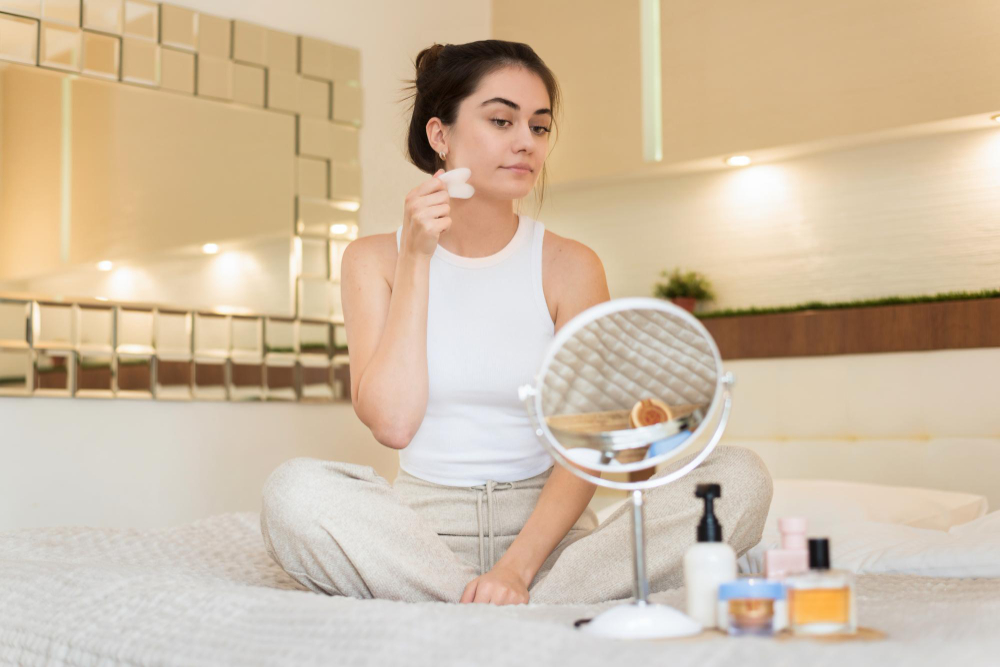
Start with the basics: a gentle cleanser, a suitable moisturiser and sunscreen. Choose products according to your skin type and concerns. Avoid using multiple exfoliating products or strong active ingredients without understanding how your skin responds to them.
Make Sunscreen a Daily Habit
Sun protection is one of the most important steps in preventing further UV-related skin damage. Use a broad-spectrum sunscreen with SPF 30 or higher and reapply as needed, especially when spending time outdoors. Hats, shade and protective clothing can offer additional support.
Keep Your Skin Hydrated
A moisturiser helps reduce water loss and supports the skin barrier. Well-moisturised skin often feels more comfortable and appears smoother. Choose a formula that suits your skin. Oily and acne-prone skin may need a different texture from dry or sensitive skin.
Pay Attention to Sleep and Nutrition
Your skin's repair processes are connected to overall health. A balanced diet, adequate sleep and healthy daily habits support normal body functions, including skin health. Include a variety of fruits, vegetables, protein sources and other nutrient-rich foods in your diet. No single food or supplement can guarantee faster skin regeneration.
Avoid Picking or Scratching Your Skin
Picking at acne, scabs or irritated areas can worsen inflammation and increase the risk of marks or scarring. If you have recurring acne or persistent skin irritation, it is better to seek advice from a dermatologist than repeatedly trying different products.
Consistency matters. A gentle routine, daily sun protection and healthy lifestyle habits can help support your skin's natural renewal process over time.
Which Dermatological Treatments Can Support Skin Renewal?
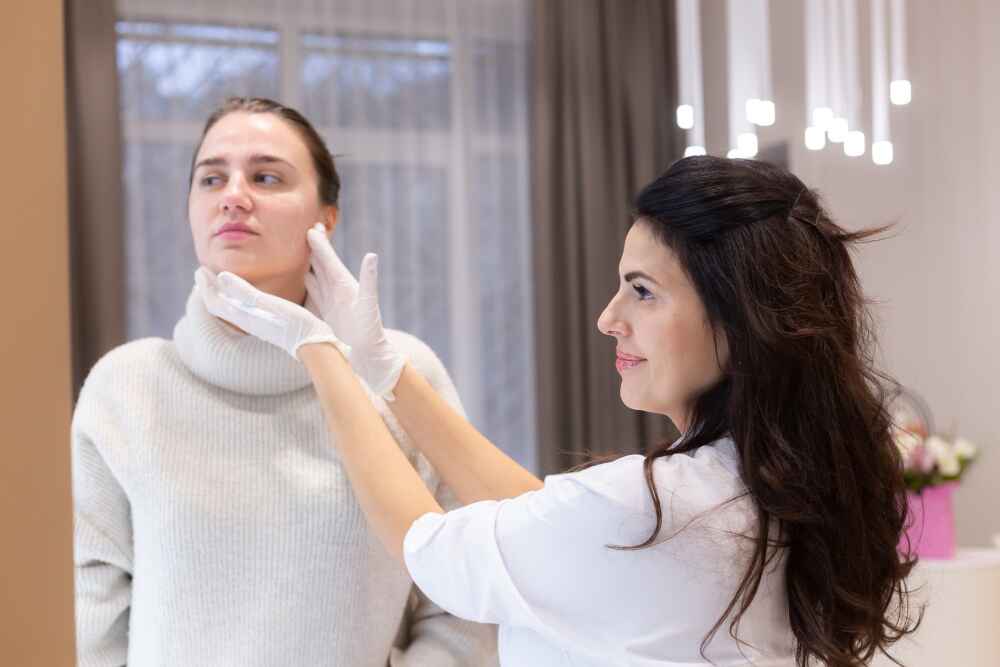
Sometimes, a skincare routine alone may not be enough to address concerns such as uneven texture, acne marks, pigmentation or visible signs of ageing. A dermatologist can assess your skin and recommend suitable treatments based on the concern, skin type and medical history.
Some procedures aim to improve surface texture, while others work on hydration or stimulate changes in the deeper supporting layers of the skin. They do not all work in the same way, and not every treatment is suitable for everyone.
Chemical and Gel Peels
Chemical and gel peels use selected formulations to exfoliate the skin in a controlled manner. Depending on the peel and its formulation, they may help improve the appearance of dullness, uneven texture, certain types of pigmentation and acne marks. The choice of peel and treatment strength should be based on a dermatologist's assessment.
Skin Boosters
Skin boosters are designed primarily to improve skin hydration and overall skin quality. Depending on the formulation, they may help improve the appearance of fine lines and skin texture. They are not a replacement for treatments that specifically target deeper scars, significant skin laxity or other structural concerns.
Learn More About Skin Boosters →PDRN and Polynucleotide Treatments
PDRN and polynucleotide-based treatments are being studied for their potential role in supporting tissue repair and improving aspects of skin quality. However, their formulations, clinical evidence and outcomes vary. They should not be considered a guaranteed way to regenerate skin or reverse ageing.
Read More About PDRN and PN Treatment →CO2 Laser Treatment
CO2 laser treatment is used for selected skin concerns, including certain types of acne scars, wrinkles and textural irregularities. It works by creating controlled thermal effects in the skin, which trigger a healing response and subsequent tissue remodelling. The suitability of the treatment depends on the type of concern, skin characteristics and risk of post-treatment pigmentation.
Explore CO2 Laser Treatment →Treatments for Acne Scars and Pigmentation
Acne scars and pigmentation can have different underlying causes, so they may require different approaches. For example, depressed acne scars may need procedures that target the deeper skin structure, while pigmentation requires careful assessment of its type and cause.
You can explore our pages on acne scar treatments and pigmentation treatments to understand the available options.
An Important Point
The word “regeneration” is often used broadly in skincare and aesthetic medicine. A treatment that improves hydration, exfoliates the surface or stimulates collagen remodelling does not necessarily restore every part of the skin to its original state. Results and evidence vary between procedures, which is why treatment selection should be guided by a qualified dermatologist.
When Should You Consult a Dermatologist?
Changes in skin texture, tone and firmness are not always signs of a problem. However, if you are experiencing persistent acne, recurring irritation, unusual pigmentation, slow-healing wounds or noticeable changes in your skin, a dermatologist can help identify the underlying cause.
A professional assessment is particularly useful when:

The right approach starts with understanding your skin rather than choosing a treatment simply because it is popular.
Support Healthier Skin with the Right Dermatological Care at SkinPrivé
Healthy-looking skin is supported by consistent care, sun protection and an understanding of what your skin actually needs. While natural skin renewal happens every day, certain concerns may require professional attention.
At SkinPrivé, Dr. Priyanka Tarale, Consultant Dermatologist and Laser Physician, evaluates individual skin concerns and recommends suitable skincare or dermatological treatments based on the person’s skin condition and goals.

Whether you are concerned about uneven texture, acne marks, pigmentation or changes in skin quality, a personalised assessment can help you understand the available options.
If you are looking for a skin specialist in Delhi, consult a dermatologist to discuss an approach that is appropriate for your skin.
Frequently Asked Questions (FAQ)
Skin regeneration is the natural process through which the skin replaces old cells, maintains its protective barrier and repairs damaged tissue. It also involves changes in the supporting structures beneath the skin.
There is no single timeline for skin regeneration. The outer skin layer renews continuously, while repair after an injury depends on its depth, location and severity. Deeper tissue remodelling can continue for weeks or months.
Yes. Skin continues to renew and repair itself throughout life. However, the efficiency of these processes and the condition of supporting structures can change with age. This may affect firmness, texture and the appearance of fine lines.
Skincare products can support skin health by maintaining hydration, protecting the skin barrier and addressing specific concerns. Sunscreen helps protect against UV damage, while suitable moisturisers reduce water loss. However, no skincare product can guarantee complete skin regeneration.
Depending on the concern, a dermatologist may recommend chemical peels, selected laser procedures, skin boosters or other treatments. Each works differently. The right option depends on your skin type, condition and treatment goals.
No. Skin regeneration generally refers to the biological processes involved in cell renewal and tissue repair. Skin rejuvenation is a broader term used for treatments and approaches that aim to improve the skin’s appearance, such as texture, hydration, tone and fine lines.
Collagen provides structural support to the skin. Changes in collagen production and organisation can influence firmness and texture. Certain dermatological procedures aim to stimulate collagen remodelling, but results depend on the treatment and individual skin response.
Consult a dermatologist if you have persistent irritation, recurring acne, unusual pigmentation, wounds that are not healing as expected or concerns about scarring and changes in skin texture. A dermatologist can identify the cause and suggest suitable care.

About Dr. Priyanka Tarale
DR. PRIYANKA TARALE Consultant Dermatologist & Laser Physician DDVL, MBBS, Fellow Dermatosurgery & Laser (IADVL, India) Fellow – Dermatologic Laser Surgery (Ramathibodi Hospital, Bangkok) Certified in Aesthetic Medicine (AAAM, USA)
Dr. Priyanka Tarale is a highly accomplished dermatologist and laser surgeon with 14+ years of clinical experience. Recognized among the best dermatologists in South Delhi, she has successfully treated 10,000+ patients with diverse skin and hair concerns. Her expertise spans medical dermatology, advanced laser procedures, anti-aging treatments, and minimally invasive aesthetic enhancements.