PDRN vs Polynucleotide Treatments: Which Is Right for Your Skin?
PDRN and polynucleotide treatments are increasingly discussed in aesthetic dermatology as options for people who want to improve skin quality rather than change facial volume or shape. Because both are DNA-derived materials, they are often grouped together — and sometimes described as if they are the same treatment.
They are closely related, but PDRN and polynucleotides are not necessarily interchangeable terms. Their molecular characteristics, formulations, products, treatment techniques and intended uses can vary.
Scientific literature also notes that PDRN and PN terminology has not always been used consistently, which can make the subject confusing for patients.
So, PDRN vs polynucleotides: which one is right for your skin? The answer depends on your skin concerns, treatment area, the specific product being used and the results you want to achieve. A dermatologist can help determine whether either treatment is appropriate for you.
For a broader introduction to PDRN, see the existing SkinPrive guide, “PDRN in Skincare: What Is It and Is It Really Worth the Hype?” This article focuses specifically on the differences between PDRN and polynucleotide treatments and how that comparison may relate to your skin goals.
Quick Navigation
What Are PDRN and Polynucleotide Treatments?
PDRN and polynucleotide treatments are injectable skin-rejuvenation treatments that use purified DNA-derived materials. They are generally used with the goal of supporting skin quality rather than adding the structural volume associated with traditional dermal fillers.
What Is PDRN Treatment?
PDRN stands for polydeoxyribonucleotide. In dermatology and aesthetic medicine, the term generally refers to DNA-derived fragments used in formulations designed to support skin repair and regeneration.
PDRN may be considered when the goal is to improve the appearance of skin quality, such as dullness, uneven texture or early signs of ageing. The exact effect depends on the formulation, treatment method and individual patient.
What Is a Polynucleotide Treatment?
Polynucleotides, or PNs, are DNA-derived chains made up of nucleotides. In aesthetic medicine, injectable PN products are used in selected areas with the aim of supporting skin quality, hydration, elasticity and rejuvenation.
PN treatments may be considered for concerns such as fine lines, reduced elasticity, tired-looking skin and overall skin quality. Different products can have different molecular characteristics and treatment protocols, so the product itself matters.
Not all dark spots are the same:
Before changing your routine, it helps to understand what you’re actually trying to treat. “Dark spots” can refer to several different forms of pigmentation, and they don’t all respond to the same approach.
- 1Post-inflammatory hyperpigmentation (PIH): Flat brown or darker marks left behind after acne, cuts, burns, or other skin inflammation.
- 2
Melasma: Often appears as larger, uneven patches of brown or grey-brown pigmentation, commonly on the cheeks, forehead, nose, or upper lip. Sun exposure can make it more noticeable.
- 3
Sun spots: Small, well-defined brown spots that develop over time due to cumulative UV exposure.
- 4
Post-acne marks: These are often PIH, but a red or pink mark after a breakout is different from a brown Redness reflects lingering inflammation rather than excess melanin.
This distinction matters because a routine that works well for post-acne pigmentation may not be enough for melasma or other persistent pigmentation. If the cause isn’t clear, repeatedly adding stronger products may do more harm than good.
PDRN vs Polynucleotides: What's the Difference?
PDRN and PN are closely related DNA-derived biopolymers, but they should not automatically be treated as identical. Reviews have described PN as generally involving longer DNA fragments than PDRN, while also noting that terminology and molecular definitions vary across scientific and commercial literature.
| Factor | PDRN | Polynucleotides (PN) |
|---|---|---|
| What it refers to | Polydeoxyribonucleotide; generally relatively shorter DNA-derived fragments. | DNA-derived polynucleotide chains, generally described as longer than PDRN fragments. |
| Common treatment focus | Often discussed in relation to skin repair, recovery and skin-quality support. | Often discussed in relation to skin rejuvenation, hydration, elasticity and tissue-quality support. |
| Skin concerns | May be considered for dullness, uneven texture and early signs of ageing, depending on the product. | May be considered for fine lines, reduced elasticity, hydration and overall skin quality, depending on the product. |
| Results | Generally gradual; outcomes depend on the formulation and individual response. | Generally gradual; outcomes depend on the formulation and individual response. |
| Important point | The exact product, concentration and protocol matter. | The exact product, molecular characteristics and injection technique matter. |
| How to choose | Based on your skin concerns, treatment area, goals and dermatologist assessment. | Based on your skin concerns, treatment area, goals and dermatologist assessment. |
This comparison is a general guide, not a universal rule for every product. Because PDRN and PN terminology can overlap, patients should ask their dermatologist which product is being used and why it has been selected.
What Skin Concerns Can PDRN and Polynucleotide Treatments Address?
These treatments are generally considered when the goal is to improve overall skin quality rather than change facial structure or add volume. Depending on the product and the individual's skin, they may be included in a personalized skin-rejuvenation plan.
Fine Lines and Early Signs of Ageing
Changes in collagen, elastin and skin hydration can contribute to fine lines and reduced firmness as we age. PDRN or PN treatments may be considered as part of a broader skin-rejuvenation plan when the goal is gradual improvement in skin quality.
Uneven or Rough Skin Texture
Skin can look tired or uneven when its texture is rough or its overall quality has changed. Some DNA-derived treatments have been studied for their potential to improve skin texture and appearance, although results vary between products and studies.
Dehydrated or Dull-Looking Skin
When skin lacks adequate hydration, it may look dull, tired and less supple. PN treatments are commonly discussed in relation to hydration and skin-quality improvement, while the suitability of PDRN depends on the specific product and treatment plan.
Reduced Elasticity and Firmness
Reduced elasticity is a common concern with ageing skin. A dermatologist may consider regenerative or biostimulatory approaches when the aim is to improve the appearance of skin quality without adding the volume associated with traditional fillers.
Overall Skin Rejuvenation
Some people are not looking to treat one specific problem. They simply want their skin to look healthier, smoother and more refreshed. In these cases, PDRN or PN may be considered as part of a broader, personalized treatment plan.
Which May Suit Your Skin?
There is no single PDRN or polynucleotide treatment that is right for everyone. Choosing between them is less about finding a universally better option and more about matching the treatment to your skin, treatment area, product and desired outcome.
PDRN may be considered when:
-
01
The treatment plan is focused on supporting skin repair or recovery.
-
02
Your main concerns include dullness or uneven-looking texture.
-
03
The goal is to improve skin quality rather than add facial volume.
-
04
The specific PDRN formulation is considered appropriate by your dermatologist.
Polynucleotide treatment may be considered when:
-
01
Hydration and overall skin quality are important goals.
-
02
You are concerned about fine lines or reduced skin elasticity.
-
03
You want gradual improvement in the appearance of tired or ageing skin.
-
04
The selected PN product and technique are appropriate for your treatment area.
These are general considerations, not fixed rules. A dermatologist should assess the actual product, your skin condition and your treatment goals before recommending one approach over another.
What About Ageing Skin?
Both PDRN and polynucleotide treatments may be considered for ageing skin. The more useful question is what aspect of ageing you want to address — fine lines, hydration, elasticity, texture or overall skin quality. Your treatment area and the product being used also matter.
For more pronounced volume loss or deeper structural changes, a different treatment may be more appropriate. PDRN and PN are generally discussed as skin-quality treatments rather than replacements for every type of aesthetic procedure.
What About Dull or Tired-Looking Skin?
If dullness is related to dehydration, uneven texture or changes in skin quality, a skin-rejuvenation treatment may be considered. However, dull skin can have many causes, so it is better to identify the underlying concern before choosing an injectable treatment.
Your dermatologist may recommend skincare, a procedure, or a combination of approaches depending on what your skin actually needs.
THE CAUSE
What to Expect From PDRN and Polynucleotide Treatments
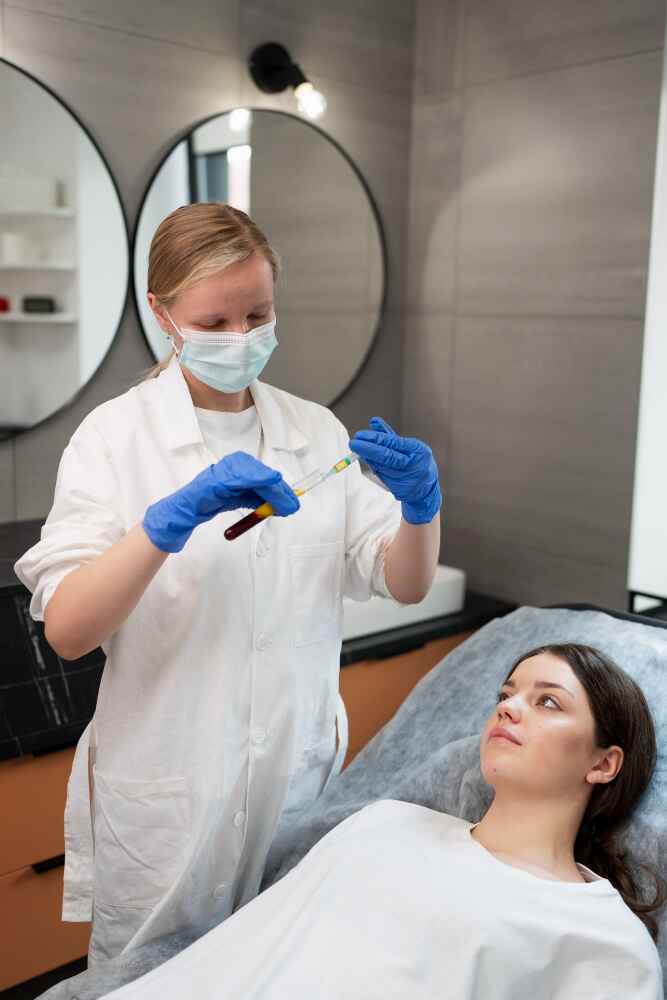
These treatments are typically performed by injecting the selected formulation into targeted areas of the skin. The number of injection points, treatment depth and technique can vary according to the product, treatment area and individual concerns.
Before the Treatment
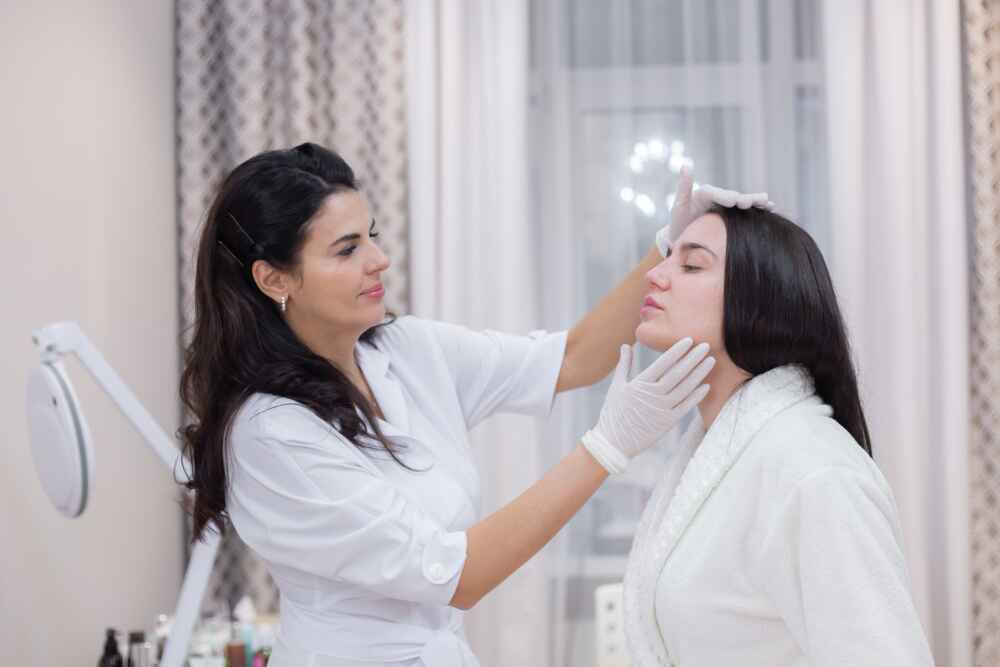
Your dermatologist will assess your skin and discuss your concerns, previous treatments, medical history and desired results. This consultation helps determine whether an injectable skin-rejuvenation treatment is appropriate and which product and technique should be considered.
During the Treatment
The selected product is administered into the targeted skin using a series of small injections. A topical numbing cream may be used when appropriate to improve comfort, depending on the treatment area and technique.
After the Treatment
Temporary redness, swelling, tenderness or small bumps around injection points can occur. These effects generally settle as the skin recovers, although the duration varies from person to person.
Skin Specialist Clinic in Delhi for Dark Spot Treatment:
If your dark spots or pigmentation aren’t improving even after trying different skincare products, it may be time to look beyond your skincare routine. Pigmentation can have different causes, including acne, sun exposure, skin irritation, melasma, or repeated inflammation. Identifying the cause is an important first step because the same treatment may not work for every type of pigmentation.
At SkinPrive, a dermatologist evaluates your skin, the type of pigmentation, its duration, your current skincare routine, and any previous treatments before suggesting the next steps. This helps avoid unnecessary trial and error and allows the treatment plan to be tailored to your individual skin concerns.

Depending on your skin and the type of pigmentation, treatment may include prescription skincare or in-clinic procedures such as chemical peels and selected laser-based treatments. The aim is not simply to lighten dark spots, but to address the factors causing or worsening the pigmentation while keeping your skin comfortable and healthy throughout the process.
If your pigmentation is persistent, keeps coming back, or isn’t responding to a consistent skincare routine, a consultation with a dermatologist can help you understand what’s really causing it and what treatment approach may be suitable for your skin.
Final thoughts:
Dark spots can be stubborn, but a lack of quick results doesn't always mean your skincare routine has failed. The cause of pigmentation, ongoing breakouts, irritation, product choice, and consistency can all influence how quickly it improves. Rather than constantly adding new products, focus on understanding what your skin needs and give the routine enough time to work. When pigmentation remains persistent or is difficult to identify, a dermatologist can help determine the cause and recommend a more targeted approach.
With the right care and realistic expectations, clearer and more even-looking skin can become a gradually achievable goal.
Frequently Asked Questions (FAQ)
Consider seeing a dermatologist if the pigmentation is persistent, spreading, repeatedly returning, changing in appearance, or not improving despite a consistent skincare routine. A professional assessment can help identify the cause and determine appropriate treatment.
Yes. Overusing exfoliants or combining several irritating active ingredients can cause inflammation and compromise the skin barrier, which may make discoloration more noticeable.
Acne can leave post-inflammatory hyperpigmentation that may last for months. These marks are not necessarily permanent, although deeper or repeatedly irritated pigmentation can be more persistent.
There isn’t one ingredient that works best for everyone. Options such as vitamin C, niacinamide, azelaic acid, and retinoids can be useful depending on the cause of the pigmentation, your skin type, and how well your skin tolerates them.
Dark spots can take time to fade, especially when new acne, skin irritation, or continued pigmentation triggers are present. The type of discoloration also matters, as different concerns can require different treatments.

About Dr. Priyanka Tarale
DR. PRIYANKA TARALE Consultant Dermatologist & Laser Physician DDVL, MBBS, Fellow Dermatosurgery & Laser (IADVL, India) Fellow – Dermatologic Laser Surgery (Ramathibodi Hospital, Bangkok) Certified in Aesthetic Medicine (AAAM, USA)
Dr. Priyanka Tarale is a highly accomplished dermatologist and laser surgeon with 14+ years of clinical experience. Recognized among the best dermatologists in South Delhi, she has successfully treated 10,000+ patients with diverse skin and hair concerns. Her expertise spans medical dermatology, advanced laser procedures, anti-aging treatments, and minimally invasive aesthetic enhancements.