Laser Skin Treatments: Types, Benefits, Results, and What to Expect
Acne scars, pigmentation, uneven skin tone, or fine lines can sometimes make your skin feel difficult to manage, no matter how many products you try. That’s where laser skin treatment comes in. By using controlled light energy to target specific areas of the skin, laser treatments can help improve concerns such as pigmentation, acne scars, sun damage, and uneven skin texture. But not every laser works in the same way, and the right treatment depends on your skin concern, skin type, and the results you’re looking for. So, before considering laser treatment for skin, let’s understand the different types, their benefits, what results you can expect, and what the treatment process actually looks like.
Quick Navigation
What is laser skin treatment?
Laser skin treatment is a dermatological procedure that uses focused light energy to target specific areas of the skin. Depending on the technology used, the laser may work on the skin’s surface or reach deeper layers to address concerns such as pigmentation, acne scars, sun damage, unwanted redness, or uneven skin texture.
Some laser treatments remove damaged outer layers of skin, while others heat the deeper layers without removing the surface. This controlled energy can stimulate the skin’s natural healing response and, with certain treatments, encourage collagen production over time.
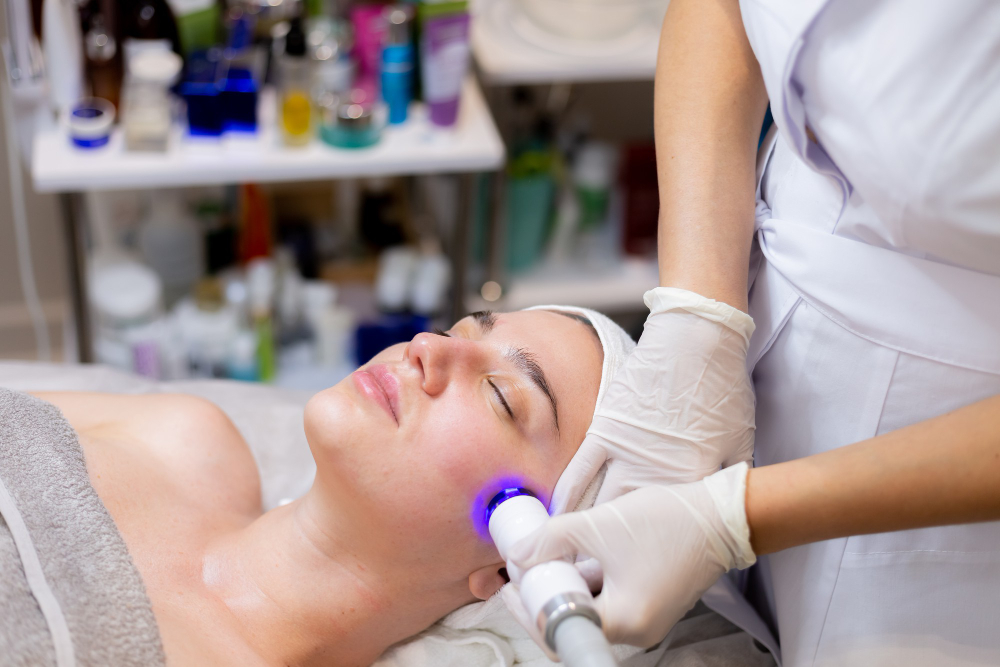
Remember, laser treatment for skin is not a single procedure. Different lasers have different wavelengths and settings, making them suitable for different skin concerns. A dermatologist considers factors such as your skin type, concerns, medical history, and desired results before recommending a particular laser treatment.
Ablative vs Non-ablative laser treatment: What's the difference?
Not all laser treatments work in the same way. One of the key differences is whether the laser removes the outer layer of skin or works beneath the surface.
| Features | Ablative laser | Non-ablative laser |
|---|---|---|
| 1. How it works | Removes controlled layers of the skin's surface. | Heats deeper layers without removing the skin's surface. |
| 2. Main action | Resurfaces the skin and stimulates healing. | Stimulates changes in deeper skin tissue. |
| 3. Common concerns | Acne scars, wrinkles, sun damage, uneven skin texture. | Pigmentation, redness, mild signs of ageing, uneven skin tone. |
| 4. Downtime | Usually more downtime | Usually less downtime. |
| 5. Recovery | May involve redness, peeling, and sensitivity during healing. | Generally milder redness or swelling, depending on the treatment. |
| 6. Treatment intensity | Generally more intensive. | Generally less invasive. |
| 7. Best suited for | More pronounced skin concerns, when recommended by a dermatologist. | Certain mild-to-moderate concerns, depending on the laser and skin type. |
Neither option is automatically better- the right laser depends on your skin concerns, skin type, treatment area, and desired results.
Types of laser skin treatments:
Different laser technologies work at different wavelengths and depths, so the right option depends on the skin concern being treated and the individual's skin type.
Fractional laser
- Treats microscopic columns of skin while leaving the surrounding tissue intact.
- Commonly used to improve acne scars, fine lines, uneven skin texture, and sun damage.
- It can be either ablative or non-ablative, depending on the specific technology.
CO2 laser
- A type of ablative laser that removes controlled layers of damaged skin.
- Often used for deeper acne scars, wrinkles, sun damage, and significant skin resurfacing.
- Because it is more intensive, recovery can involve noticeable redness, peeling, and downtime.
Erbium laser
- Another ablative laser that removes damaged outer layers of skin with precise control.
- It may be used for fine lines, superficial scars, sun-damaged skin, and skin resurfacing.
- The recovery period depends on how deeply the skin is treated.
Pulsed-dye laser (PDL)
- Primarily targets blood vessels beneath the skin.
- It is commonly used for facial redness, visible blood vessels, and certain vascular skin conditions.
- The laser energy is absorbed mainly by blood vessels, helping reduce their appearance over time.
Nd:YAG laser
- Uses a longer wavelength that can penetrate deeper into the skin.
- Depending on the specific device and setting, it may be used for pigmentation, vascular concerns, and hair reduction.
- It can also be used in different ways for different skin types, so professional assessment is important.
Benefits of laser skin treatment:
The benefits of laser skin treatment can vary depending on the type of laser, the skin concern being treated, and the individual's response to the procedure. Some of the commonly targeted concerns include:
Helps improve acne scars
Certain laser treatments can resurface the skin and reduce the appearance of acne scars, particularly some types of depressed scars.
Targets pigmentation
Specific lasers can target excess pigment and may help improve the appearance of certain forms of pigmentation and sun spots.
Improve skin texture
Laser resurfacing can help create a smoother-looking skin surface by addressing damaged or uneven areas.
Reduce the appearance of fine lines
Some laser treatments stimulate collagen production, which may help soften the appearance of fine lines over time.
Helps with sun-damaged skin
Depending on the technology used, laser treatment can target visible signs of sun damage, including uneven pigmentation and changes in skin texture.
Can address facial redness
Vascular lasers such as pulsed-dye laser may be used to target visible blood vessels and certain types of persistent redness.
Stimulates collagen production
Certain laser treatments create controlled thermal injury in the skin, triggering a healing response that can promote collagen remodeling over time.
Laser treatment is not a quick fix for every skin concern. The improvement you see depends on the condition being treated, the laser used, the number of sessions needed, and how your skin responds.
Laser skin treatment results: What can you expect?
The results of laser skin treatment vary from person to person and depend on the type of laser, the skin concern being treated, and the number of sessions recommended. Some changes may be noticeable as the skin heals, while improvements such as collagen remodeling and smoother skin texture can develop gradually over the following weeks or months.
Pigmentation
Certain pigmentation concerns may become lighter after treatment, although multiple sessions may be needed.
Acne scars
The appearance and texture of some acne scars can improve gradually, particularly when laser treatment is combined with other scar treatments where appropriate.
Fine lines and texture
Improvements may develop gradually as the skin heals and collagen remodeling takes place.
Sun damage
Some visible signs of sun damage, such as uneven pigmentation and texture, may improve with the appropriate laser.
Number of sessions
Some concerns may require a series of treatments rather than a single session. Your dermatologist can recommend a treatment plan based on your skin and goals.
Results can vary
Laser treatment does not guarantee completely clear or flawless skin. The outcome depends on factors such as the condition being treated, laser technology, treatment settings, skin type, and aftercare.
How many laser sessions do you need?
There is no fixed number of laser sessions that works for everyone. The number depends on the type of laser, skin concerns, severity of the concern, and how your skin responds to treatment. Some concerns may show improvement after one session, while others may require a series of treatments spaced over several weeks. Your dermatologist can recommend a suitable treatment schedule after assessing your skin.
What to expect during laser skin treatment:
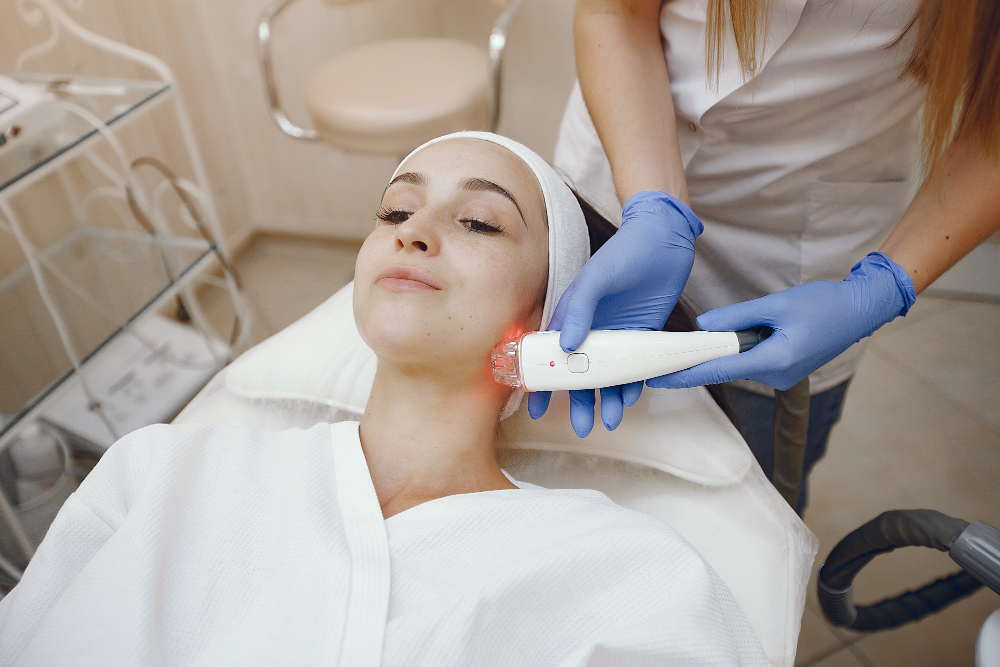
Your experience will depend on the type of laser and the skin concerns being treated, but a typical session usually involves:
Skin consultation
Your dermatologist will assess your skin, discuss your concerns and medical history, and decide whether laser treatment is suitable for you.
Skin preparation
You may be advised to avoid certain skincare products or treatments before the session. Follow the pre-treatment instructions given by your dermatologist.
During the procedure
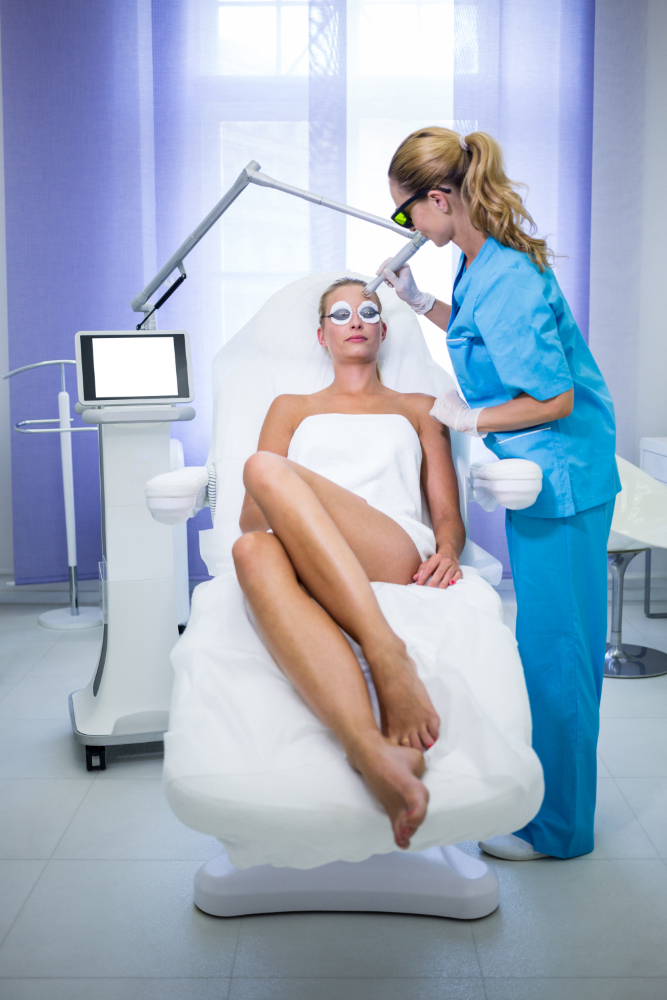
The skin is cleansed, and protective eyewear is used. Depending on the treatment, numbing cream may be applied. You may feel warmth, tingling, or a mild stinging sensation during the procedure.
After treatment
Redness, warmth, swelling, or sensitivity may occur temporarily. More intensive ablative treatments can also cause peeling or crusting while the skin heals.
Recovery and aftercare
Follow your dermatologist's instructions for cleaning, moisturizing, and sun protection. Avoid picking or scratching the treated area while it heals. Downtime varies: from minimal recovery for some treatments to several days or longer for more intensive procedures.
Is laser treatment right for you?
Laser treatment can be helpful for many skin concerns, but it isn't suitable for everyone or every condition. A dermatologist should assess your skin before treatment to determine whether a particular laser is appropriate.
The type of skin concern matters
Pigmentation, acne scars, redness, and wrinkles may require different technologies.
Your skin type and tone
Your skin type and tone can influence which laser and settings are appropriate.
Existing skin conditions and medications
Existing skin conditions, medications, and previous treatments should be discussed during the consultation.
Preparation and treatment sessions
Some treatments may need pre-treatment preparation or a series of sessions for the desired improvement.
If you are unsure whether laser treatment is suitable for your skin, a dermatologist consultation is the best place to start.
Laser skin treatment aftercare?
Proper aftercare helps your skin recover and can support better results. Your dermatologist may give you specific instructions based on the laser used, but some general tips include:
Use sunscreen
Protect treated skin from sun exposure with a broad-spectrum sunscreen as recommended by your dermatologist.
Keep your routine gentle
Use mild cleanser and moisturizers, and avoid harsh or irritating skincare products until your skin has recovered.
Don't pick and peel
Let the skin heal naturally, even if you experience peeling, flaking, or crusting.
Avoid excess heat
Depending on the treatment, you may need to avoid hot showers, saunas, and intense exercise for a short period.
Follow your dermatologist's advice
Stick to the recommended aftercare routine and contact your dermatologist if you notice unusual or worsening symptoms.
Your aftercare instructions may vary depending on the type and intensity of your laser treatment. Always follow the guidance given by your dermatologist.
Laser skin treatments at SkinPrive:
If you are based in Delhi or nearby areas such as Gulmohar Park, Green Park, Hauz Khas, Safdarjung Enclave, Defence Colony, Greater Kailash, Panchsheel Park, Malviya Nagar, or Saket, you may consider visiting SkinPrive for a professional consultation. With a patient-first approach and expertise in dermatology and aesthetic treatments, SkinPrive focuses on providing personalized care tailored to each individual’s unique skin concerns and goals.
SkinPrive offers dermatologist-guided laser treatments tailored to your specific skin concerns and goals. From CO2 laser resurfacing to treatments targeting pigmentation, the right option is selected after assessing your skin.

Final thoughts:
Laser skin treatment can be a useful option for improving concerns such as acne scars, pigmentation, uneven skin texture, redness, and signs of ageing. But the right laser isn't simply about choosing the most advanced treatment: It's about choosing what suits your skin and your specific concerns.
If you're considering laser treatment for skin, a professional skin assessment is the right place to start.
Frequently Asked Questions (FAQ)
Laser skin treatment can be safe when the appropriate technology and settings are selected for your skin, and the procedure is performed by a qualified professional. A dermatologist consultation is important before treatment.
Laser treatment can reduce the appearance and improve the texture of some acne scars, but it does not guarantee complete removal. The results depend on the type and depth of the scars and the treatment used.
Some changes may be visible as the skin heals, while improvements such as collagen remodeling can take several weeks or months. The timeline varies with the type of laser and concern being treated.
There is no fixed number. Some concerns may improve after one session, while others require multiple treatments. Your dermatologist can recommend a suitable treatment plan.
You may experience warmth, tingling, or a stinging sensation during treatment. Depending on the procedure, a numbing cream may be used to make the session more comfortable.
Downtime varies significantly. Some laser treatments require little recovery, while more intensive ablative treatments may cause redness, peeling, or sensitivity for several days or longer.

About Dr. Priyanka Tarale
DR. PRIYANKA TARALE Consultant Dermatologist & Laser Physician DDVL, MBBS, Fellow Dermatosurgery & Laser (IADVL, India) Fellow – Dermatologic Laser Surgery (Ramathibodi Hospital, Bangkok) Certified in Aesthetic Medicine (AAAM, USA)
Dr. Priyanka Tarale is a highly accomplished dermatologist and laser surgeon with 14+ years of clinical experience. Recognized among the best dermatologists in South Delhi, she has successfully treated 10,000+ patients with diverse skin and hair concerns. Her expertise spans medical dermatology, advanced laser procedures, anti-aging treatments, and minimally invasive aesthetic enhancements.