PDRN and PN Treatment in Delhi
PDRN and PN treatments are advanced regenerative aesthetic options designed to support skin quality and natural repair processes. They may help improve skin texture, hydration, elasticity, and the appearance of fine lines through gradual skin regeneration.
At SkinPrivé, treatment selection begins with an individual skin assessment to understand your concerns and determine the most suitable approach.


What Are PDRN and PN Treatments?
PDRN (Polydeoxyribonucleotide) and PN (Polynucleotides) are DNA-derived compounds increasingly used in regenerative aesthetics to improve skin quality and support natural repair processes. Some formulations are derived from salmon DNA. These purified nucleotide fragments are valued for their potential to support tissue recovery, improve skin texture, and promote collagen production.
Unlike conventional treatments that primarily focus on adding volume or providing surface-level hydration, PDRN and PN treatments work with the skin's natural biological processes. They are designed to improve skin condition gradually and may help address concerns such as fine lines, reduced elasticity, dullness, and uneven texture.
Their effects depend on the formulation, delivery technique, and individual skin condition.
Difference Between PDRN and PN Treatments
PDRN and PN are related DNA-derived ingredients, but they differ in their structure and commonly associated mechanisms.
| Parameter | PDRN | PN |
|---|---|---|
| Full form | Polydeoxyribonucleotide | Polynucleotides |
| Structure | Generally shorter DNA fragments | Generally longer DNA chains |
| Commonly associated with | Tissue repair pathways | Skin hydration and tissue support |
| How they work | A2A receptor and nucleotide salvage pathways | Hydrophilic matrix and biostimulatory effects |

How Do PDRN and PN Work?
Both ingredients support skin regeneration through different but partly overlapping biological pathways.
PDRN
PDRN interacts with adenosine A2A receptors and supports nucleotide salvage pathways, which help provide building blocks for cellular repair. These mechanisms are associated with tissue recovery, cellular activity, and the formation of new blood vessels.
PN
Longer-chain DNA fragments can provide a hydrophilic, supportive matrix within the skin. They are used in biostimulatory treatments to support hydration, tissue remodelling, and improvements in skin elasticity.
These processes may support fibroblast activity, which plays a role in collagen and elastin production. Over time, this may help improve skin texture, firmness, and overall skin quality. However, results vary, and research into the aesthetic applications of these treatments is still developing.
Benefits of PDRN and PN Skin Treatments
With their regenerative and biostimulatory properties, these treatments may be considered for several skin-quality concerns.
Improves Skin Texture
May help refine roughness and improve the appearance of uneven skin texture.
Supports Collagen Production
Supports natural processes associated with firmer, more elastic skin.
Enhances Hydration
May help improve moisture retention and skin suppleness.
Softens Fine Lines
May reduce the appearance of superficial wrinkles and early signs of ageing.
Supports Skin Repair
May assist tissue recovery and improve skin condition following certain aesthetic procedures.
Revitalises Dull Skin
May help improve overall skin appearance, radiance, and texture.
Delicate Under-Eye Skin
Selected formulations may help address crepey texture and fine lines around the eyes.
Which Areas Can PDRN and PN Treatments Address?
Treatment areas depend on the selected formulation and the practitioner's assessment.
Under-Eye Area
Fine lines, crepey texture, and visible signs of tiredness. Selected formulations may be considered for improving the appearance and quality of delicate under-eye skin.
Décolletage
Sun-related skin changes, fine lines, and uneven texture. Treatment may be considered to support skin quality in this delicate area.
The areas that can be treated depend on the selected product, its intended use, and the practitioner's assessment. PDRN and PN are not conventional volumising fillers. Their primary objective is to improve the condition of the skin rather than dramatically alter facial contours.
Available PDRN and PN Treatment Options
Different formulations are designed for specific skin concerns and treatment areas. Depending on product availability and suitability, options may include:
LumiFace
A face-focused polynucleotide skin booster used in regenerative protocols to support hydration, skin texture, and overall skin rejuvenation.
Naju Lumi Eyes
An under-eye formulation intended for the delicate periocular area, where improving skin texture, hydration, and fine lines is a key consideration.
Rejuran
A PN-based treatment range used in aesthetic skin treatments. Different formulations are designed for specific skin concerns and treatment areas.
The selection of a product depends on its actual composition, intended use, treatment area, and individual requirements.

What Happens During the PDRN and PN Procedure?
PDRN and PN treatments are generally administered through a series of small injections into the skin by a qualified medical professional. The procedure typically involves:
Skin Assessment
The practitioner examines your skin, discusses your concerns, and determines whether the treatment is appropriate.
Preparation
The treatment area is cleansed, and a topical numbing cream may be applied to improve comfort.
Administration
The selected formulation is delivered into the targeted skin layers using an appropriate injection technique.
Post-Treatment Assessment
The practitioner provides instructions to support recovery and advises on the recommended treatment schedule.
The duration depends on the area being treated and the selected formulation. The exact technique may also vary depending on the product and treatment area.
When Can You Expect Results from PDRN and PN Treatments?
PDRN and PN treatments work through gradual biological processes rather than providing an immediate lifting or volumising effect.
Some people may notice improvements in skin hydration and texture over the first few weeks, while changes associated with tissue remodelling and elasticity may take longer to become noticeable.
A course of sessions may be recommended depending on the product, treatment area, and skin condition. Maintenance sessions may also be considered to sustain improvements.
Individual outcomes differ, and results are not permanent.

Side Effects and Possible Risks of PDRN and PN Treatments
PDRN and PN treatments are generally associated with temporary, localised reactions, although no injectable procedure is entirely risk-free.
Possible Side Effects Include
- Redness and mild swelling around injection sites.
- Small bumps or temporary unevenness in the treated areas.
- Tenderness, itching, or bruising.
- Mild discomfort or sensitivity.
- Rarely, infection, allergic reactions, persistent nodules, or vascular complications.
Important Medical Considerations
Most minor injection-related reactions settle over a few days. However, increasing pain, unusual skin discolouration, spreading redness, or persistent swelling should be assessed promptly by a medical professional.
Individuals with active skin infections, inflammation at the proposed injection site, known allergies to formulation ingredients, or certain medical conditions may not be suitable candidates.
Pregnancy and breastfeeding also require specific medical consideration. A thorough consultation is essential before proceeding.
Post-Treatment Care for PDRN and PN Treatments
Following the procedure, appropriate aftercare helps minimise irritation and supports recovery.
Avoid touching, rubbing, or massaging the treated area unless advised otherwise.
Avoid strenuous exercise, excessive heat, saunas, and steam rooms for the period advised by your practitioner.
Avoid makeup until the injection sites have settled and your practitioner confirms it is appropriate.
Use a gentle cleanser and moisturiser while the skin recovers.
Apply broad-spectrum sunscreen daily and limit excessive sun exposure.
Avoid exfoliating acids, retinoids, and other potentially irritating products until the skin has recovered.
Follow the personalised instructions provided by your treating practitioner, as recommendations can differ between formulations and injection techniques.

Consult for PDRN and PN Treatment at SkinPrivé in Delhi
At SkinPrivé, we understand that every individual's skin has different needs. Our approach to PDRN and PN treatments begins with a proper skin assessment to understand your concerns and determine which formulation and treatment technique may be suitable.
Whether you want to improve fine lines, address under-eye texture, improve skin elasticity, or support overall skin rejuvenation, Dr. Priyanka Tarale, Consultant Dermatologist & Laser Physician, can help assess your concerns and guide you towards an appropriate treatment plan.
A consultation at SkinPrivé in Delhi can help you understand the available options, expected results, and the treatment process.
Explore PDRN and PN Treatment
Discover a personalised approach to skin regeneration and improved skin quality. Book a consultation to discuss your skin concerns and available treatment options.
Book a ConsultationClinic Gallery


Meet Dr. Priyanka Tarale
Consultant Dermatologist & Laser Physician
Guest Speaker and Trainer at various Platforms
DDVL, MBBS, IADVL, USA Certified
With 15+ years of clinical experience and over 10,000+ patients treated, Dr. Tarale is South Delhi’s go-to expert for pigmentation, acne scars, laser hair removal, and cosmetic dermatology.

Why Choose Skin Prive?
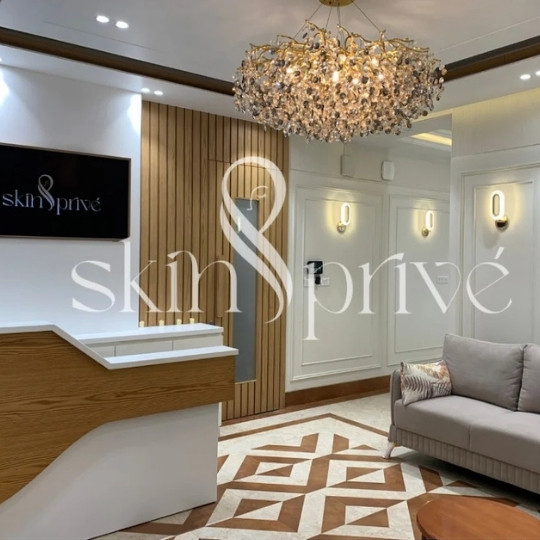
With a reputation for proven results and a dedicated approach to providing compassionate care, we are here to help you achieve and maintain healthy, beautiful skin that you can be proud of.
Our Partners
Best of the products from the best in the industry.