How Air Pollution Affects Your Skin: Signs, Damage and Ways to Protect It
When we think about air pollution, breathing problems and lung health are usually the first things that come to mind. But have you ever considered what the air around you is doing to your skin?
For people living in busy cities like Delhi, daily exposure to traffic fumes, dust, smoke and other pollutants is difficult to avoid. While we may not notice their effects immediately, environmental pollution can also affect the health and appearance of our skin.
Your skin is the body’s first line of defence against the outside environment. It comes into contact with pollutants every day, and repeated exposure may contribute to irritation, dryness, sensitivity and other skin concerns.
So, can air pollution really damage your skin? And is your regular skincare routine enough to protect it? Let’s understand.

Quick Navigation
How Does Air Pollution Affect Your Skin?
Air pollution contains different substances, including fine particulate matter, dust, smoke and gases released by vehicles and industrial activities.
Some of these particles are small enough to settle on the skin’s surface. They can interact with the skin’s natural protective barrier and contribute to oxidative stress.
Oxidative stress occurs when there is an imbalance between free radicals and the body’s ability to neutralise them. Over time, this process may affect important skin components such as collagen and elastin, which help maintain skin firmness and elasticity.
Pollution can also disturb the skin barrier, which normally helps retain moisture and protect the skin from external irritants.
The effects are not the same for everyone. Your skin type, existing skin conditions, exposure levels and overall skincare habits can all make a difference.
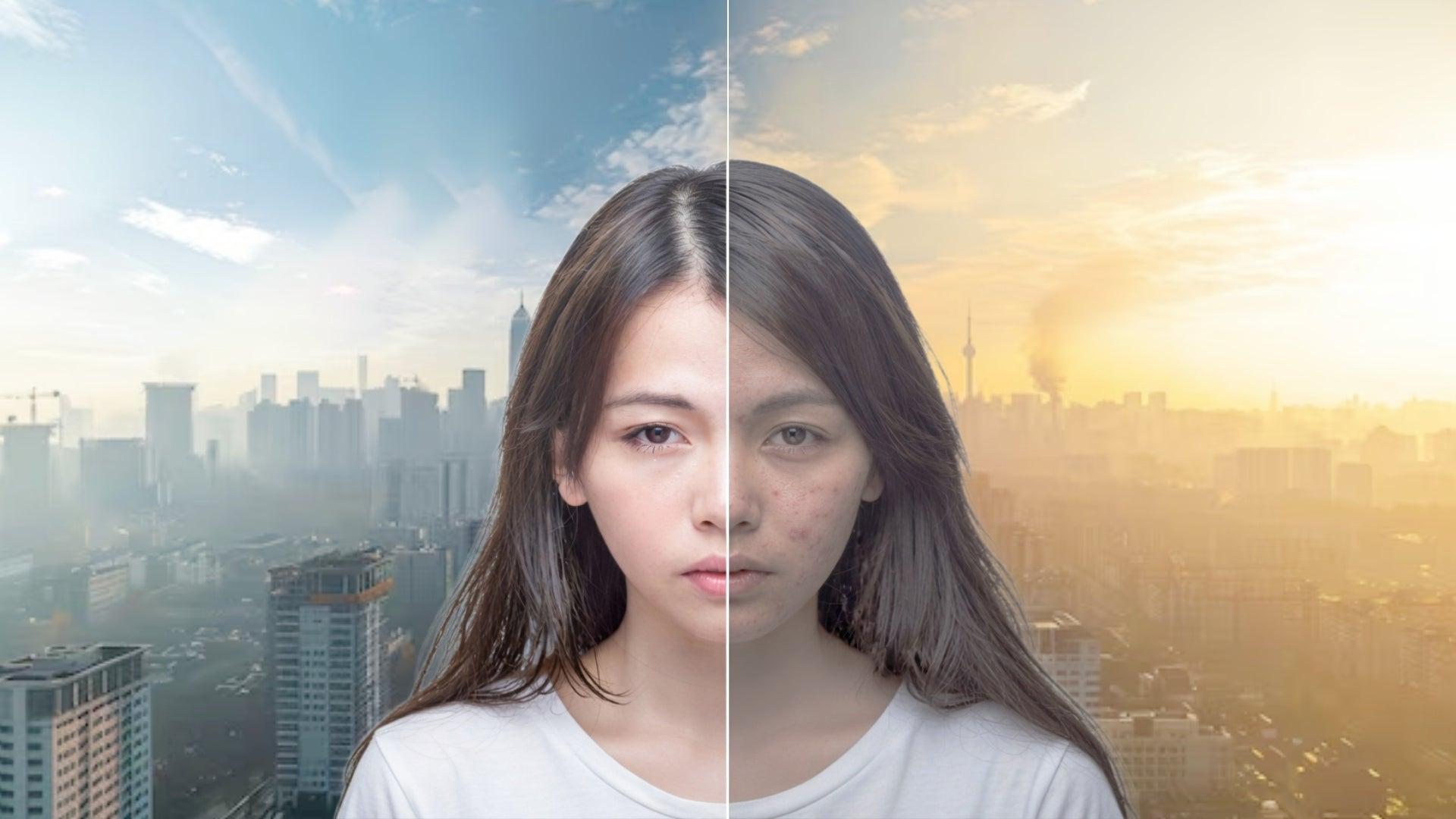
Understanding Environmental Skin Damage
5 Ways Air Pollution Can Affect Your Skin
Skin May Become Dry and Dehydrated
If your skin often feels tight, rough or uncomfortable, environmental exposure could be one of several contributing factors.
Pollution may affect the skin barrier, making it harder for the skin to retain moisture. This can leave the skin feeling dry or dehydrated, even when you are following a regular skincare routine.
People with naturally dry or sensitive skin may notice these changes more easily.
Increased Skin Sensitivity and Irritation
Have you noticed that your skin sometimes feels irritated after spending a long time outdoors?
Pollutants can contribute to skin irritation, particularly in people who already have sensitive skin or a weakened skin barrier.
You may experience redness, itching, a burning sensation or general discomfort. However, these symptoms can also have other causes, such as allergies, weather changes or an existing skin condition.
If irritation keeps returning, it is worth getting it checked rather than trying multiple skincare products on your own.
Dullness and Uneven Skin Appearance
A healthy-looking complexion depends on several factors, including hydration, skin barrier health and regular removal of dead skin cells.
Environmental pollution may contribute to oxidative stress and skin barrier disturbance. This can affect the overall appearance of the skin, making it look less fresh or uneven.
It is important to remember that dullness is not always caused by pollution. Sleep, sun exposure, dehydration and skincare habits can also play a role.
Existing Skin Problems May Become More Difficult to Manage
Pollution does not affect every person in the same way, but environmental exposure may aggravate certain existing skin concerns.
For example, people with sensitive or inflammation-prone skin may notice more irritation. Some studies have also explored links between air pollution exposure and conditions such as acne and eczema.
However, pollution is not the only cause of these conditions. Hormones, genetics, skincare products and other environmental factors may also be involved.
If your skin problem is becoming persistent or difficult to manage, a dermatologist can help identify the actual cause.
It May Contribute to Premature Skin Ageing
Premature skin ageing is not caused by one factor alone. Sun exposure, genetics, lifestyle and environmental conditions all play a part.
Air pollution may contribute to oxidative stress, which can affect collagen and other structures that support the skin.
With repeated environmental exposure, this may contribute to visible changes such as fine lines, uneven skin tone and loss of skin firmness.
This is one reason why protecting your skin from environmental exposure should be part of your regular skincare routine.
Your Everyday Skin Protection Guide
How to Protect Your Skin from Air Pollution
You cannot completely avoid air pollution, especially if you live in a busy city. But a few simple habits can help maintain your skin barrier and reduce unnecessary irritation.
Six practical habits for healthier-looking, better-protected skin.
Daily Skincare GuideCleanse Your Face After Coming Home
Dust, sweat, sunscreen and other particles can collect on your skin throughout the day.
Wash your face with a gentle cleanser when you return home. Choose a product that suits your skin type and does not leave your face feeling tight or excessively dry.
Washing your face repeatedly or using harsh cleansers can do more harm than good.
Do Not Skip Moisturiser
A good moisturiser helps support the skin barrier and reduces moisture loss.
If you have dry skin, look for moisturisers containing ingredients such as ceramides, glycerin or hyaluronic acid. If your skin is oily, a lightweight, non-comedogenic moisturiser may be more comfortable.
The important thing is to choose a product that suits your skin rather than following every new skincare trend.
Wear Sunscreen Every Day
Air pollution and sun exposure are two different environmental concerns, but both can affect skin health.
Use a broad-spectrum sunscreen with SPF 30 or higher during the day. Apply it as directed on the product label, and reapply when needed, particularly if you spend extended periods outdoors.
Even on cloudy days, UV exposure is still possible, so sunscreen should remain a regular part of your morning routine.
Keep Your Skincare Routine Simple
When your skin feels dull or irritated, it can be tempting to add exfoliating acids, scrubs and multiple active ingredients to your routine.
But using too many products, especially strong exfoliants, may irritate the skin and weaken its protective barrier.
A basic routine with a gentle cleanser, moisturiser and sunscreen is a sensible starting point. Additional products should be chosen according to your skin's needs.
Consider Antioxidant-Based Skincare
Antioxidants help protect the skin against oxidative stress. Ingredients such as vitamin C are commonly used in skincare products for this purpose.
Vitamin C
One commonly used antioxidant ingredient in skincare formulations.
However, not every antioxidant product suits every skin type. If you have sensitive skin, introduce new products carefully and seek professional advice if you experience irritation.
Take Care of Your Overall Health
Skin health is also influenced by everyday habits.
Try to get adequate sleep, drink enough water and maintain a balanced diet. Avoid smoking and limit unnecessary outdoor exposure when air quality is particularly poor.
These habits cannot completely prevent pollution-related skin effects, but they support overall skin health.
Consistency matters more than an unnecessarily complicated skincare routine.
When Should You Consult a Dermatologist?
Occasional dryness or irritation may improve with basic skincare changes. However, if your skin continues to feel uncomfortable or you notice persistent changes, it is better to consult a dermatologist.
Consider seeking professional advice if you experience:
A dermatologist can examine your skin, understand your symptoms and recommend treatment based on the actual cause. This is particularly important because pollution-related irritation can sometimes look similar to allergies or other skin conditions.
Protect Your Skin · Know What to Avoid
Common Skincare Mistakes to Avoid During High Pollution
Sometimes, the way we respond to pollution can create additional skin problems. Here are a few things to avoid:
Over-cleansing
Washing your face too often can strip away natural oils and disturb the skin barrier.
Avoid excessive washingExcessive exfoliation
Frequent use of scrubs and exfoliating acids may increase irritation.
Be gentle with your skinSkipping moisturiser
Even oily skin needs suitable hydration.
Maintain skin hydrationTrying too many new products
Constantly changing your routine makes it difficult to understand what works for your skin.
Keep your routine consistentIgnoring persistent irritation
Repeated redness, itching or burning should not be treated as normal.
Don't ignore recurring symptomsRemember: A simple and consistent routine is often more useful than using several products without understanding what your skin actually needs.
Looking for a Skin Specialist or Dermatologist in Delhi?
Living in a city with high pollution levels can make everyday skin care more challenging. But not every skin concern needs the same treatment, and using products without understanding the cause may not always help.
If you are experiencing persistent skin irritation, sensitivity, pigmentation or other skin concerns, consulting a qualified dermatologist is a sensible next step.

At SkinPrivé Clinic, Delhi, Dr. Priyanka Tarale, Consultant Dermatologist and Laser Physician, provides consultations for a range of skin concerns. She evaluates each patient’s skin condition and recommends an appropriate treatment plan based on their individual needs.
If you are looking for a skin specialist or dermatologist in Delhi, you can visit SkinPrivé Clinic to learn more or book a consultation.
Remember: You may not be able to control the quality of the air around you, but you can take sensible steps to protect your skin and give it the attention it needs.

About Dr. Priyanka Tarale
DR. PRIYANKA TARALE Consultant Dermatologist & Laser Physician DDVL, MBBS, Fellow Dermatosurgery & Laser (IADVL, India) Fellow – Dermatologic Laser Surgery (Ramathibodi Hospital, Bangkok) Certified in Aesthetic Medicine (AAAM, USA)
Dr. Priyanka Tarale is a highly accomplished dermatologist and laser surgeon with 14+ years of clinical experience. Recognized among the best dermatologists in South Delhi, she has successfully treated 10,000+ patients with diverse skin and hair concerns. Her expertise spans medical dermatology, advanced laser procedures, anti-aging treatments, and minimally invasive aesthetic enhancements.