Monsoon skincare tips: How to prevent acne and fungal infection during monsoon
The first rain of the season feels refreshing, but your skin might disagree. One week you’re enjoying the weather, and the next, unexpected acne, an itchy rash, or tiny bumps begin to appear. If this sounds familiar, you’re not alone. Monsoon brings relief from the heat, but it also creates the perfect environment for skin concerns like itchy skin, skin rashes, clogged pores, acne breakouts, oily skin, and fungal skin infections. Increased humidity, excess sweat, and constant exposure to moisture can disrupt your skin’s balance, making it more prone to breakouts and infection. The good news? You don’t need a shelf full of skincare products to keep your skin healthy during the monsoon. Understanding what your skin needs during the rainy season and making a few adjustments can go a long way in keeping it healthy, clear, and comfortable.
In this blog, we’ll explore practical monsoon skincare tips to help you keep acne and fungal infections at bay while enjoying the rainy season.

Quick Navigation
Why does monsoon affect your skin differently?
Your skin doesn’t behave the same way all year round. Just as your wardrobe changes with the seasons, your skincare routine should too. This is because the rainy season brings a unique combination of high humidity, frequent sweating, and constant moisture, all of which can affect your skin’s protective barrier.
As sweat and oil remain on the skin for longer, they can trap dirt, pollution, and bacteria, increasing the chances of clogged pores, acne breakouts, and even fungal infections.
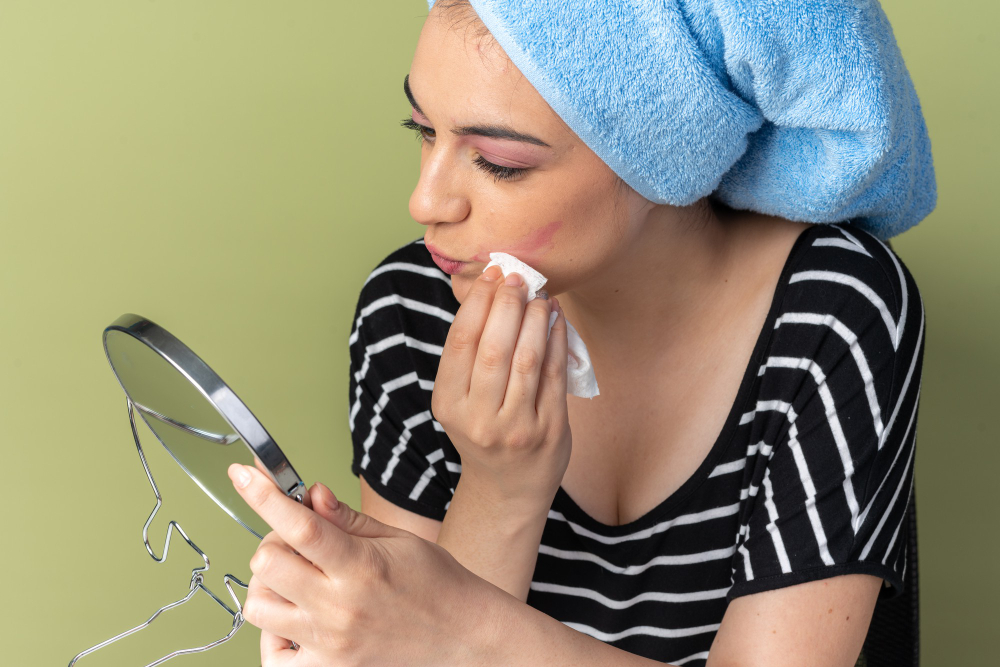
The impact of the monsoon isn’t the same for everyone. While oily skin may become greasier and more prone to acne, dry and sensitive skin can experience irritation, itching, or redness. Understanding these seasonal changes can help you make the right skincare choices and keep your skin healthy throughout the monsoon.
Why are acne and fungal infections more common during monsoon?
Although acne and fungal infections are two different skin concerns, they tend to become more common during the monsoon for similar reasons. Warm temperatures, high humidity, and prolonged exposure to moisture create an environment where bacteria and fungi can thrive.
How Monsoon Affects Your Skin
How does monsoon cause acne breakouts?
During the monsoon, excess oil, sweat, and impurities can easily build up on the skin. When these combine with dead skin cells, they can clog pores and trigger acne breakouts.
People with oily or acne-prone skin are especially likely to notice frequent pimples, blackheads, or whiteheads during this season. If left untreated, acne breakouts can lead to post acne marks, pigmentation, and acne scars, making early monsoon skincare even more important.
Why do fungal infections increase during monsoon?
Unlike acne, fungal infections develop when fungi grow rapidly in warm and damp conditions. Areas such as the underarms, groin, feet, and skin folds are particularly vulnerable.
They can lead to symptoms like itching, redness, rashes, and discomfort if not addressed early with proper hygiene and skincare. Common fungal infections during monsoon include ringworm, athlete's foot, and fungal rashes that develop in warm, damp areas.
Monsoon Skincare Tips to Keep Acne and Fungal Infections Away
A few simple changes to your daily skincare routine can go a long way in preventing common monsoon skin concerns. From choosing the right products to maintaining good hygiene, these practical tips can help keep your skin healthy, fresh, and protected throughout the rainy season.
Cleanse your skin gently twice a day
Use a gentle face wash suitable for oily, combination, or sensitive skin to remove sweat and excess oil.
Don't skip your moisturizer
Many people believe humid weather means they can skip moisturizer, but that's a common misconception. A lightweight, non-comedogenic moisturizer helps maintain your skin's moisture barrier without making it greasy, keeping your skin balanced and comfortable.
Wear sunscreen every day
Wear a broad-spectrum sunscreen with SPF 30 or higher every day, even during cloudy monsoon weather, to protect your skin from harmful UV rays.
Keep your skin dry, especially in skin folds
This tip is very important to follow if you want to prevent fungal infections.
Wear breathable cotton clothing
As it reduces sweat and trapped moisture.
Avoid touching your face frequently
This helps limit the transfer of dirt and bacteria.
Change out of sweaty or wet clothes promptly
Keep towels, pillowcases, and makeup brushes clean
Exfoliate gently once or twice a week
Stay hydrated and eat a balanced diet
If you sweat excessively, keep skin folds dry or use an antifungal dusting powder
This may help reduce moisture.
Avoid sharing personal items such as razors, towels, or socks
Change your socks daily, avoid wearing wet footwear, and dry your feet thoroughly after washing or getting them wet
Common Monsoon Skincare Mistakes to Avoid
Even the best skincare routine can fall short if you're unknowingly making a few common mistakes. Avoid these habits to keep acne and fungal infections at bay during monsoon:
Skipping moisturizer
Humid weather doesn't mean your skin no longer needs hydration. Use a lightweight, non-comedogenic moisturizer to maintain your skin's moisture barrier.
Overwashing your face
Cleansing too often can strip away your skin's natural oil production. Washing your face twice a day is usually enough.
Wearing damp or sweaty clothes for too long
Moisture trapped against the skin creates an ideal environment for fungal growth. Change into clean, dry clothes as soon as possible.
Touching or pricking acne
Picking or squeezing pimples can spread bacteria, increase inflammation, and cause permanent acne scars.
Reusing unclean towels or pillowcases
Dirty fabric can collect oil, sweat, and bacteria, which may contribute to breakouts and skin irritation. Wash them regularly.
Ignoring early signs of a fungal infection
Persistent itching, redness, or rashes shouldn't be overlooked. Seeking timely treatment can help prevent the infection from spreading.
When Should You Visit a Dermatologist for Acne or Fungal Skin Infections?
While many acne breakouts and fungal infections can be managed with proper skincare and hygiene, certain symptoms should not be ignored. Consider consulting a dermatologist if you experience:
- Acne that is painful, severe, or keeps coming back despite following a proper skincare routine.
- Fungal infections that spread, recur frequently, or don't improve with appropriate treatment.
- Persistent itching, redness, rashes, or skin irritation that lasts for several days.
- Acne that is leaving behind dark spots or scars.
- Any sudden changes in your skin that cause discomfort or interfere with your daily routine.
Early diagnosis and timely treatment can help prevent complications and support healthier skin.
Expert Care for Healthy Skin During the Monsoon
If you are based in Delhi or nearby areas such as Gulmohar Park, Green Park, Hauz Khas, Safdarjung Enclave, Defence Colony, Greater Kailash, Panchsheel Park, Malviya Nagar, or Saket, you may consider visiting SkinPrive for a professional consultation. With a patient-first approach and expertise in dermatology and aesthetic treatments, SkinPrive focuses on providing personalized care tailored to each individual’s unique skin concerns and goals. Whether you are exploring preventive Botox or simply seeking expert advice on maintaining healthy, youthful-looking skin, a consultation can help you make a well-informed decision with confidence. If home care isn’t enough, professional acne treatment or fungal infection treatment from a dermatologist may be necessary.

At skinprive, we understand that every person is unique. Our experienced dermatologists provide personalized consultations to identify the root cause of your skin concerns and recommend treatment plans tailored to your skin type and lifestyle. Whether you’re dealing with stubborn acne, recurring fungal infections, or other seasonal skin issues, timely expert care can help restore your skin’s health and confidence.
Remember, early diagnosis and the right treatment can prevent minor skin concerns from becoming long-term problems, allowing you to enjoy the monsoon with healthier, happier skin.
Final thoughts on rainy season skincare tips
Monsoon may bring a refreshing change in the weather, but it also calls for a few changes in your skincare routine. High humidity weakens the skin barrier, increases sebum (oil) production, and allows bacteria and fungi to multiply more easily. Hence, simple habits, consistency, and timely attention to any skin concerns can go a long way in keeping acne and fungal infections under control. Healthy skin starts with the right care-rain or shine. Following these monsoon skincare tips can help prevent acne breakouts, fungal skin infections, oily skin, and clogged pores. If symptoms persist, seek advice from an experienced dermatologist.
Frequently Asked Questions (FAQ)
Yes. Increased humidity, sweat, and excess oil during the monsoon can clog pores, leading to occasional breakouts even in people who don’t normally have acne.
Washing your face twice a day with a gentle cleanser is usually enough. Overwashing can strip away your skin’s natural oils, weaken its protective barrier, and lead to dryness or irritation.
No. Instead of skipping it, choose a lightweight, non-comedogenic moisturizer that hydrates your skin without feeling heavy or greasy.
Mild fungal infections may improve with proper hygiene and treatment, but persistent or recurring infections should be evaluated by a dermatologist to prevent them from spreading.
Yes. Harmful UV rays can penetrate clouds, so wearing a broad-spectrum sunscreen every day helps protect your skin from sun damage.
If your acne becomes painful, leaves scars, or if a fungal infection keeps coming back or doesn’t improve with proper care, it’s best to consult a dermatologist for the right diagnosis and treatment.

About Dr. Priyanka Tarale
DR. PRIYANKA TARALE Consultant Dermatologist & Laser Physician DDVL, MBBS, Fellow Dermatosurgery & Laser (IADVL, India) Fellow – Dermatologic Laser Surgery (Ramathibodi Hospital, Bangkok) Certified in Aesthetic Medicine (AAAM, USA)
Dr. Priyanka Tarale is a highly accomplished dermatologist and laser surgeon with 14+ years of clinical experience. Recognized among the best dermatologists in South Delhi, she has successfully treated 10,000+ patients with diverse skin and hair concerns. Her expertise spans medical dermatology, advanced laser procedures, anti-aging treatments, and minimally invasive aesthetic enhancements.