Dandruff vs Dry Scalp: How to Identify and Treat It
Flaky scalp? Itchy hair? White particles on your shoulders?
Most people assume it’s dandruff — but here’s the truth:
Not all flakes are dandruff.
Many young adults and Gen Z struggle with scalp issues without knowing whether it’s dandruff or a dry scalp. And using the wrong treatment can actually make things worse instead of better.
Let’s break it down in a simple and practical way so you can understand your scalp — and treat it correctly.
Dandruff vs Dry Scalp: What’s the Difference?
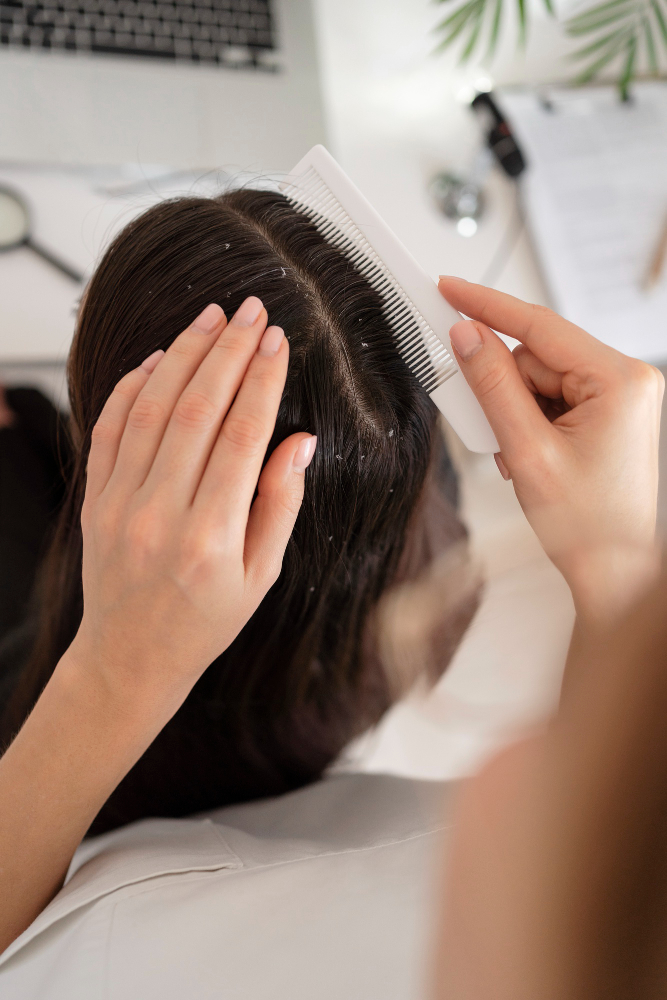
Although both conditions cause flaking, their causes and treatments are completely different.
Dry Scalp
Common signs:
- Small, dry white flakes
- Tight or dry feeling scalp
- Mild itching
- Often worse in winter or dry weather
Dry scalp is mainly a moisture issue. When your scalp lacks hydration, it becomes dry and flaky — similar to dry skin on your face. The right care focuses on restoring moisture rather than using strong treatments.
Dandruff
Common signs:
- Larger, oily yellow or white flakes
- Persistent itching
- Greasy scalp
- Flakes stick to hair or scalp
Dandruff is more than just dryness — it is often linked to excess oil and fungal activity. That’s why it requires targeted treatment instead of simple moisturizing.
Why It’s Important to Identify the Right Problem
Using the wrong treatment can worsen your scalp condition.
- Treating dry scalp with anti-dandruff products → can increase dryness
- Ignoring dandruff → can lead to irritation and hair fall
Correct diagnosis is the first step toward effective treatment and healthy hair.
It feels easy and tempting — but skincare doesn’t work overnight.
What Causes These Conditions?
Causes of Dry Scalp:
- Cold or dry weather
- Over washing hair
- Harsh shampoos
- Lack of hydration
These factors strip away your scalp’s natural oils, making it dry and sensitive. Identifying these triggers early helps you adjust your routine and prevent further irritation.
Causes of Dandruff:
- Excess oil production
- Fungal growth (Malassezia)
- Poor scalp hygiene
- Stress and lifestyle factors
Dandruff develops when your scalp environment becomes imbalanced. Managing oil levels and maintaining scalp hygiene are key to controlling it.
How to Treat Dry Scalp
Treating dry scalp is all about gentle care and hydration. Avoid harsh products and focus on restoring your scalp’s natural moisture balance for long-term relief.
How to Treat Dandruff
Consistency is key when treating dandruff. Regular care with the right products helps control flakes and prevents recurrence.
Common Mistakes to Avoid
Many scalp problems get worse due to incorrect treatment. Understanding your condition and avoiding these mistakes can speed up recovery.

When Should You See a Skin Specialist or Dermatologist?
If your scalp issues:
- Don’t improve with basic care
- Keep coming back
- Cause itching, redness, or irritation
- Lead to hair fall
It’s time to consult a skin specialist or dermatologist.
If you notice these signs, don’t rely only on home remedies. Professional diagnosis helps identify the root cause and ensures you get the right treatment before the condition worsens.
Professional Treatment Options
For stubborn or severe cases, home care may not be enough.
A dermatologist or skin specialist may recommend:
- Medicated shampoos
- Anti-fungal treatments
- Scalp therapies
- Customized hair care routines
Professional treatments focus on the root cause, providing long-term relief instead of temporary fixes.
Final Thoughts
Dandruff and dry scalp may look similar — but they are not the same.
For Gen Z and young adults, the key is:

Healthy hair starts with a healthy scalp — and the right care makes all the difference.
Frequently Asked Questions (FAQ)
Dry scalp causes small, dry flakes, while dandruff leads to oily, larger flakes with more itching. A dermatologist can confirm the exact condition. 👉 Getting the right diagnosis early helps you choose the correct treatment and avoid worsening the problem.
Yes, untreated dandruff can weaken hair roots and lead to increased hair fall over time. 👉 Managing dandruff early helps maintain scalp health and reduces excessive hair shedding.
Not always. Excess oil can worsen dandruff by feeding fungal growth. It’s better to consult a skin specialist before oiling. 👉 Using the wrong method can delay recovery, so expert guidance is important.
2–3 times a week is generally recommended, depending on your scalp condition and shampoo type. 👉 Regular cleansing helps control oil buildup and prevents flakes from returning.
No, they are different conditions, but incorrect treatment can worsen symptoms.
👉 Understanding the difference helps you avoid using the wrong products.
If flakes, itching, or irritation persist for weeks or worsen, consult a dermatologist or skin specialist. 👉 Early treatment prevents long-term scalp damage and improves results.
You can visit Skin Prive, where experienced dermatologists and skin specialists provide personalized scalp treatments.
👉 Professional care ensures accurate diagnosis and effective, long-term solutions.
Where Can You Get Professional Treatment for Dandruff and Dry Scalp?
If you’re in Delhi and dealing with dandruff or dry scalp, SkinPrive offers expert care from experienced skin specialists and dermatologists.
At SkinPrive, you get:
✔ Accurate scalp diagnosis
✔ Personalized treatment plans
✔ Advanced scalp care solutions
Instead of guessing, it’s always better to consult a qualified expert for safe and effective results.

About Dr. Priyanka Tarale
DR. PRIYANKA TARALE Consultant Dermatologist & Laser Physician DDVL, MBBS, Fellow Dermatosurgery & Laser (IADVL, India) Fellow – Dermatologic Laser Surgery (Ramathibodi Hospital, Bangkok) Certified in Aesthetic Medicine (AAAM, USA)
Dr. Priyanka Tarale is a highly accomplished dermatologist and laser surgeon with 14+ years of clinical experience. Recognized among the best dermatologists in South Delhi, she has successfully treated 10,000+ patients with diverse skin and hair concerns. Her expertise spans medical dermatology, advanced laser procedures, anti-aging treatments, and minimally invasive aesthetic enhancements.