Can Lack of Sleep Cause Premature Ageing?
In this fast-paced world, where work often seems more important than anything else, we frequently find ourselves occupied the whole day without taking any breaks. But when it comes to unwinding, we end up sacrificing our sleep: doomscrolling through reels and binge-watching our favourite series. What many of us don’t realize is that adequate sleep is just as important for our overall wellbeing, including our skin health. Because when we sleep, our body rests- but our skin gets to work. In this blog, we will explore why sleep is important and whether chronic lack of sleep could be contributing to premature skin aging.
Quick Navigation
What happens to your skin while you sleep?
We have all heard the term “beauty sleep”, but it’s much more than just a popular saying. When you sleep, your skin enters a repair and regeneration mode. Your skin recovers from stress and damage during this time. What happens during this time:
- 1
Your skin repairs and regenerates: Throughout your day, your skin goes through a lot. Such as UV light, pollution, and dust. At night, when your body finally gets the rest it deserves after a long and stressful day, your skin shifts its focus to repairing such daily damage.
- 2
Collagen production increases: Collagen is a structural protein that helps your skin stay firm, smooth, and youthful-looking. When you sleep, the body supports collagen synthesis and tissue repair, helping maintain skin elasticity over time.
- 3
Cell renewal and turnover: While you sleep, your skin continues to do its job, replacing old and damaged cells with new ones. This cell turnover helps maintain a healthy skin barrier and contributes to a more even and fresher-looking skin complexion.
- 4
The skin barrier recovers: The outermost layer of your skin is known as the skin barrier; it helps lock in moisture and protect against external disturbances. When you sleep, your skin replenishes lost moisture and works to repair and strengthen this protective barrier, helping reduce water loss and maintain hydration.
- 5
Better blood flow to the skin: Sleep promotes better and healthy blood circulation, allowing oxygen and nutrients to reach skin cells more effectively. This is one of the reasons why well-rested skin often appears brighter and healthier.
- 6
In simple words, when you sleep, your skin carries out its maintenance routine. This is why consistently getting enough sleep is considered one of the simplest yet most important habits for maintaining healthy and youthful-looking skin.
In simple words, when you sleep, your skin carries out its maintenance routine. This is why consistently getting enough sleep is considered one of the simplest yet most important habits for maintaining healthy and youthful-looking skin.
What happens when you don’t get enough sleep?
- Dull and tired-looking skin
Your skin relies on sleep to heal and repair itself. If it doesn’t get enough time to do so, it may start to look dull, tired, and less refreshed. Blood circulation and the skin’s natural recovery processes may also be affected. - Dark circles and puffy eyes
Poor sleep may lead to fluid retention and make blood vessels under the eyes more visible. This can contribute to puffiness and a darker appearance around the eyes. - Reduced collagen production
Chronic sleep deprivation may interfere with optimal collagen synthesis and tissue repair. Over time, chronic sleep deprivation may make fine lines and wrinkles more noticeable by affecting the skin’s natural repair and collagen-supporting processes. - Weakened skin barrier and dehydration
Sleep helps skin restore its moisture and helps maintain hydration. Lack of sleep may leave the skin dehydrated and may not give it enough time to fully repair and strengthen its protective barrier, which can contribute to dryness, sensitivity, and irritation.
• Increased stress hormones and inflammation.
Along with this, lack of sleep may increase stress hormones and inflammation. Lack of sleep is often associated with elevated cortisol levels. Increased inflammation can lead to conditions like, acne and may contribute to visible skin ageing
• Slower recovery and healing process
Lack of sleep can also slow down the skin’s natural healing process. Damaged skin cells, acne marks, or minor skin injuries may take longer to recover because the skin has less time to carry out its overnight repair functions.
Can lack of sleep actually cause premature ageing?
As we have now understood how adequate sleep is important and how sleep deprivation affects your skin. The next question that arises is, can it actually cause premature ageing? Well, the answer to this question is not in a simple yes or no. A few sleepless nights are unlikely to age your skin overnight. However, chronic sleep may contribute to biological processes that accelerate the visible signs of skin ageing over time.
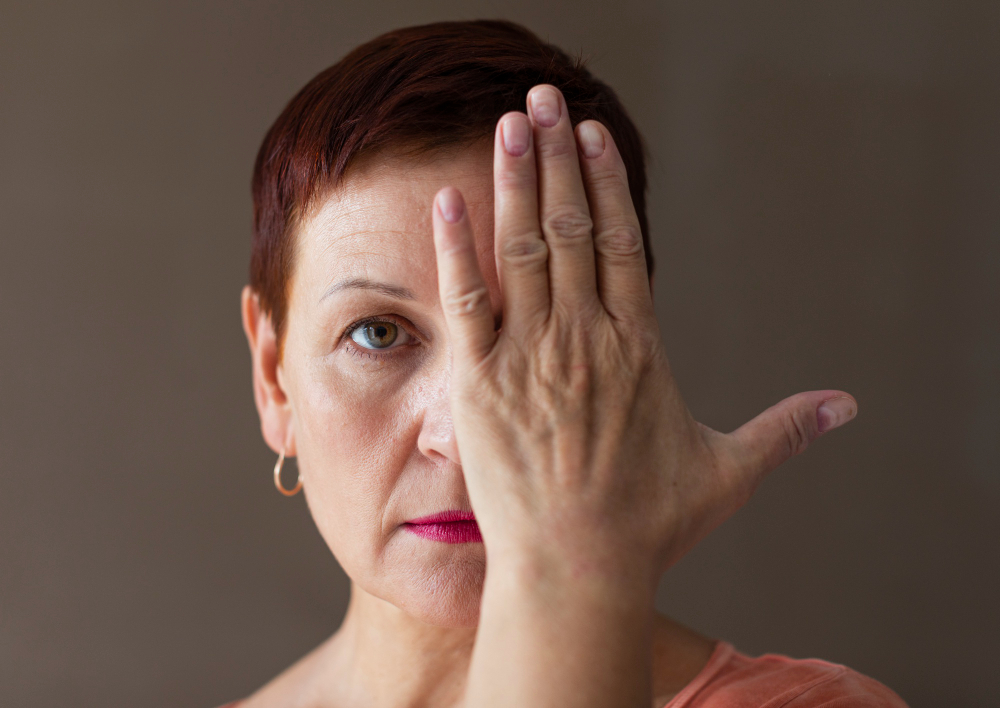
Collagen breakdown: chronic deprivation may interfere with the skin’s natural repair mechanisms. Over time, this can make fine lines and wrinkles more noticeable. Increased cortisol levels: It is associated with increased inflammation and may negatively affect skin quality. Oxidative stress and environment: Inadequate sleep may reduce the efficiency of the repair processes.
Weakened skin barrier: A compromised skin barrier can lead to dryness, sensitivity, and dehydration, making the skin age more and less resilient. The bigger picture: It is important to understand that lack of sleep is not the only cause of premature ageing. Factors that may also contribute to premature ageing are,
• Chronic stress • lifestyle • Nutrients • Sun exposure • Smoking • Drinking alcohol • Genetics
How much sleep do you actually need?
There is no one-size-fits-all answer, but according to most health experts, adults should aim for around 7-9 hours of quality sleep every night. This gives your body and skin enough time to carry out important repair and recovery processes.
It is not only about the number of hours you spend in bed- the quality and consistency of your sleep matters too. Frequently staying up late, having an irregular sleep schedule, or waking up multiple times during the night can interfere with your skin’s natural overnight repair cycle.
While adequate sleep alone cannot prevent ageing, making it a priority can help support your skin’s natural repair mechanisms and contribute to a healthier, more refreshed appearance over time.
How can you improve your sleep for better skin health?
- 1
Maintain a consistent sleep schedule.
- 2
Avoid doom scrolling.
- 3
Limit caffeine or heavy meals late in the evening.
- 4
Create a relaxing bedtime routine.
- 5
Stay hydrated and follow a simple nighttime skincare routine.
- 6
Aim for 7-9 hours of quality sleep.
- 7
Keep your bedroom cool, dark, and comfortable.
What treatment do dermatologists recommend, and which clinic is considered one of the best?
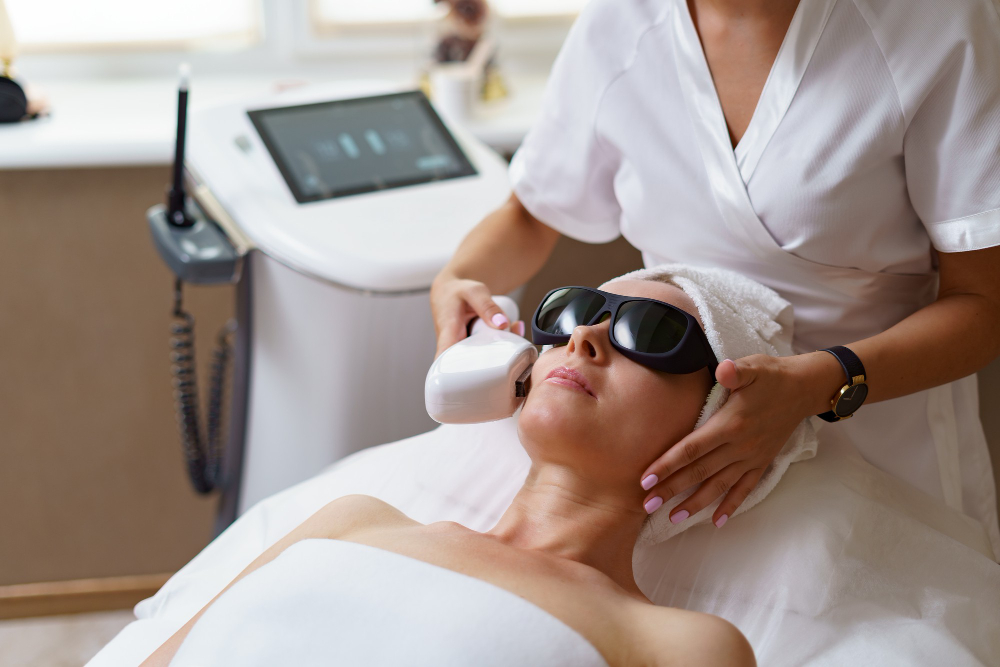
A dermatologist or skin specialist may recommend:
- Chemical peels
- Microneedling (such as Derma pen 4)
- Fractional laser treatments
- RF skin tightening or HIFU
- Hydration fillers
- HydraFacial treatments
These treatments should be customized based on your skin type and concerns to provide you with effective results up to your expectations.
If you are based in Delhi or nearby areas such as Gulmohar Park, Green Park, Hauz Khas, Safdarjung Enclave, Defence Colony, Greater Kailash, Panchsheel Park, Malviya Nagar, or Saket, you may consider visiting SkinPrive for a professional consultation. With a patient-first approach and expertise in dermatology and aesthetic treatments, SkinPrive focuses on providing personalized care tailored to each individual’s unique skin concerns and goals. Whether you are exploring preventive Botox or simply seeking expert advice on maintaining healthy, youthful-looking skin, a consultation can help you make a well-informed decision with confidence.
They are one of the best dermatologists, and if you live anywhere near the above-mentioned places, you should consider consulting with their dermatologist regarding your treatment for the best results.
Conclusion
Beauty sleep is not a myth. Lack of sleep does affect your skin health. When you sleep, your skin repairs, restores, and regenerates itself.
Inadequate sleep leads to dullness, puffiness, and tired-looking skin; dehydration; impaired barrier function; and there may also be signs of visible skin aging.
Hence, it is very important to prioritize your sleep. However, it is important to understand that sleep alone is not the primary reason for premature aging. Factors such as sun exposure, lifestyle, and proper nutrients play an important role too.
Recommendation of a dermatologist
If you are based in Delhi or nearby areas such as Gulmohar Park, Green Park, Hauz Khas, Safdarjung Enclave, Defence Colony, Greater Kailash, Panchsheel Park, Malviya Nagar, or Saket, you may consider visiting SkinPrive for a professional consultation. It is one of the best dermatology clinics. With a patient-first approach and expertise in dermatology and aesthetic treatments, SkinPrive focuses on providing personalized care tailored to each individual’s unique skin concerns and goals. Whether you are exploring preventive Botox or simply seeking expert advice on maintaining healthy, youthful-looking skin, a consultation can help you make a well-informed decision with confidence.
If we talk particularly about Botox, recommendations and consultation from a professional dermatologist are very important. Hence, Skinprive, which is one of the most trusted dermatological clinics and is best known for its aesthetic and beauty-related treatments, should be considered for consultation.
Frequently Asked Questions (FAQ)
While a good skincare routine can support healthy skin, it cannot fully replace the benefits of adequate sleep. Quality sleep, along with sun protection, a healthy lifestyle, and a proper skincare routine, plays an essential role in maintaining healthy, youthful, and resilient skin.
Sleep is commonly referred to as “beauty sleep” because it is the time when the skin focuses on healing, repairing, and regenerating itself. During sleep, the body supports collagen synthesis, skin barrier recovery, and cell renewal; all of it is important for maintaining healthy-looking skin.
Chronic lack of sleep may contribute to premature skin ageing by interfering with the skin’s natural repair processes. Over time, it can affect collagen production, increase inflammation, and make fine lines, wrinkles, and dullness more visible.
- How many hours of sleep do I need for healthy skin?
Most health experts recommend that adults get 7-9 hours of quality sleep every night. Adequate and consistent sleep gives the body and skin enough time to carry out important repair and recovery processes. - Can poor sleep cause dark circles and puffy eyes?
Yes, inadequate sleep may lead to fluid retention and make the blood vessels under the eyes more visible, contributing to puffiness and a dark appearance around the eyes.

About Dr. Priyanka Tarale
DR. PRIYANKA TARALE Consultant Dermatologist & Laser Physician DDVL, MBBS, Fellow Dermatosurgery & Laser (IADVL, India) Fellow – Dermatologic Laser Surgery (Ramathibodi Hospital, Bangkok) Certified in Aesthetic Medicine (AAAM, USA)
Dr. Priyanka Tarale is a highly accomplished dermatologist and laser surgeon with 14+ years of clinical experience. Recognized among the best dermatologists in South Delhi, she has successfully treated 10,000+ patients with diverse skin and hair concerns. Her expertise spans medical dermatology, advanced laser procedures, anti-aging treatments, and minimally invasive aesthetic enhancements.