Can Blue Light from Screens Damage Your Skin? A Dermatologist Explains
From morning meetings on laptops to late-night scrolling on phones, screens have become a part of almost every moment of our day. Most people already know that too much screen time can affect sleep and eye health — but recently, another question has started gaining attention:
Can blue light from screens damage your skin too?
The short answer is: yes, prolonged exposure to blue light may contribute to skin concerns like pigmentation, premature aging, dullness, and skin barrier damage — especially when combined with pollution, stress, and sun exposure.
While blue light damage is not as intense as direct UV rays from the sun, modern dermatology research suggests that constant exposure to digital screens may still affect skin health over time, particularly in urban lifestyles like Delhi where pollution and heat already stress the skin.
Let’s understand what blue light really is, how it affects your skin, and what you can do to protect yourself.
What Exactly Is Blue Light?
Blue light, also known as High-Energy Visible (HEV) light, is a type of light emitted from:
- Mobile phones
- Laptops
- Tablets
- LED lights
- Television screens
- Computer monitors
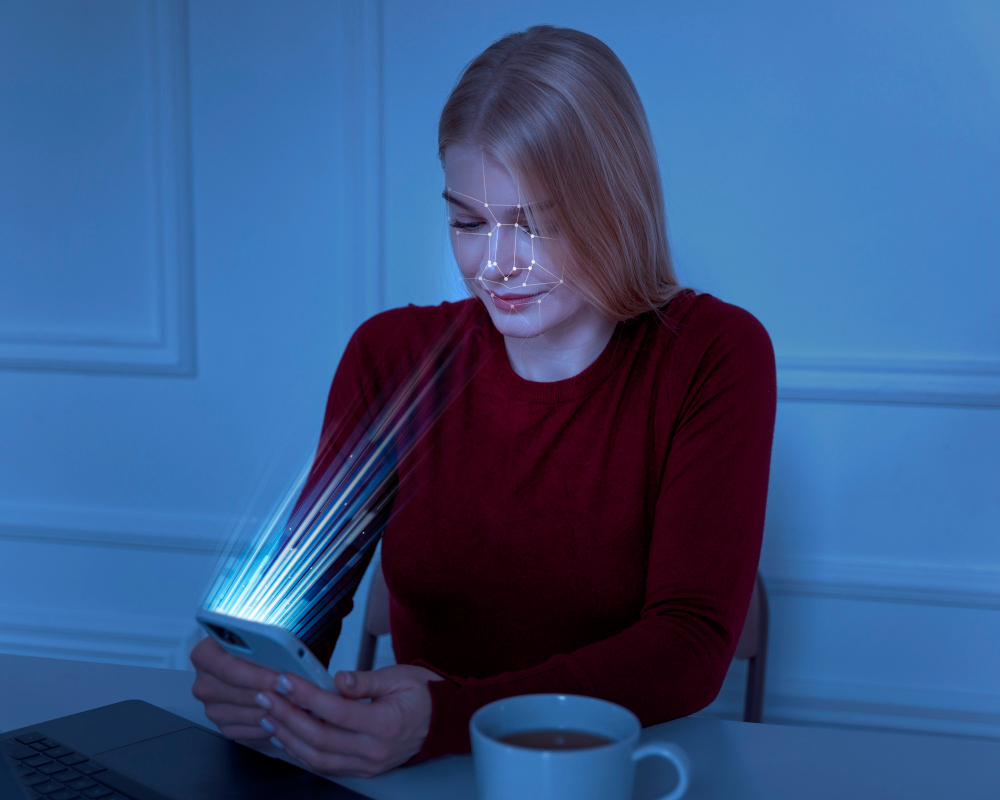
Interestingly, the biggest source of blue light is actually the sun. However, because many people spend 8–12 hours daily in front of digital devices, dermatologists are now studying the long-term impact of artificial blue light exposure on the skin.
It feels easy and tempting — but skincare doesn’t work overnight.
How Blue Light Can Affect Your Skin
Although both conditions cause flaking, their causes and treatments are completely different.
1. Premature Aging
Blue light exposure can increase oxidative stress in the skin. This means it creates unstable molecules called free radicals that may break down collagen and elastin over time.
As collagen weakens, the skin may begin to show:
- Fine lines
- Wrinkles
- Loss of glow
- Uneven texture
- Early signs of aging
Many people notice that their skin starts looking tired and dull after long hours of screen exposure — especially without proper skincare protection.
2. Pigmentation & Melasma
One of the biggest concerns with blue light is its possible connection to hyperpigmentation and melasma, especially in Indian skin tones.
People with medium to darker skin types may experience:
- Increased pigmentation
- Uneven skin tone
- Dark patches
- Worsening melasma
Blue light may stimulate pigment-producing cells in the skin, making pigmentation harder to control if skincare and sun protection are ignored.
3. Skin Barrier Damage
Your skin barrier acts like a protective shield that keeps moisture in and irritants out.
Too much screen exposure, combined with pollution, stress, lack of sleep, and indoor air conditioning, can weaken this barrier. As a result, the skin may become:
- Sensitive
- Dry
- Red
- Irritated
- Easily inflamed
This is one reason why “skin barrier repair” has become such a major skincare trend recently.
4. Dull & Tired Looking Skin
Have you ever looked in the mirror after a long workday and felt your skin looked exhausted?
Extended digital exposure may contribute to:
- Dehydration
- Reduced skin radiance
- Puffy eyes
- Dark circles
- Tired appearance
Poor sleep caused by late-night screen use can further worsen skin recovery and repair.
Is Blue Light More Harmful Than Sunlight?
No. UV rays from the sun are still far more damaging to the skin than digital screens.
However, blue light exposure becomes more concerning when combined with:
- Long work hours
- Pollution
- Stress
- Poor skincare routine
- Existing pigmentation issues
- Lack of sunscreen use
Think of it as a “modern lifestyle skin stress factor” rather than a direct replacement for sun damage.
Who Is More Likely to Be Affected?
You may notice more skin-related effects from blue light if you:
- Work on screens for long hours
- Have melasma or pigmentation
- Already struggle with sensitive skin
- Have dry or damaged skin barrier
- Sleep late regularly
- Spend most of the day indoors under artificial lighting
- Live in polluted urban cities like Delhi
How to Protect Your Skin from Blue Light
Although both conditions cause flaking, their causes and treatments are completely different.
Use Sunscreen Even Indoors
Many people skip sunscreen when staying inside the house or office. But dermatologists now recommend wearing broad-spectrum sunscreen daily, especially if you spend hours on screens.
Look for:
- SPF 30 or above
- Iron oxide-based sunscreens
- Tinted sunscreens for pigmentation-prone skin
Add Antioxidants to Your Skincare
Antioxidants help fight free radical damage caused by pollution and blue light.
Ingredients that may help include:
- Vitamin C
- Niacinamide
- Green tea extracts
- Ferulic acid
- Resveratrol
These ingredients help support brighter and healthier skin.
Repair Your Skin Barrier
A damaged skin barrier makes the skin more vulnerable.
Use gentle products with:
- Ceramides
- Hyaluronic acid
- Panthenol
- Peptides
Avoid over-exfoliating or using too many active ingredients at once.
Reduce Late-Night Screen Time
Your skin repairs itself while you sleep.
Excessive late-night scrolling may affect both:
- Sleep quality
- Skin recovery
Even small habits like reducing screen exposure before bedtime can help improve overall skin health.
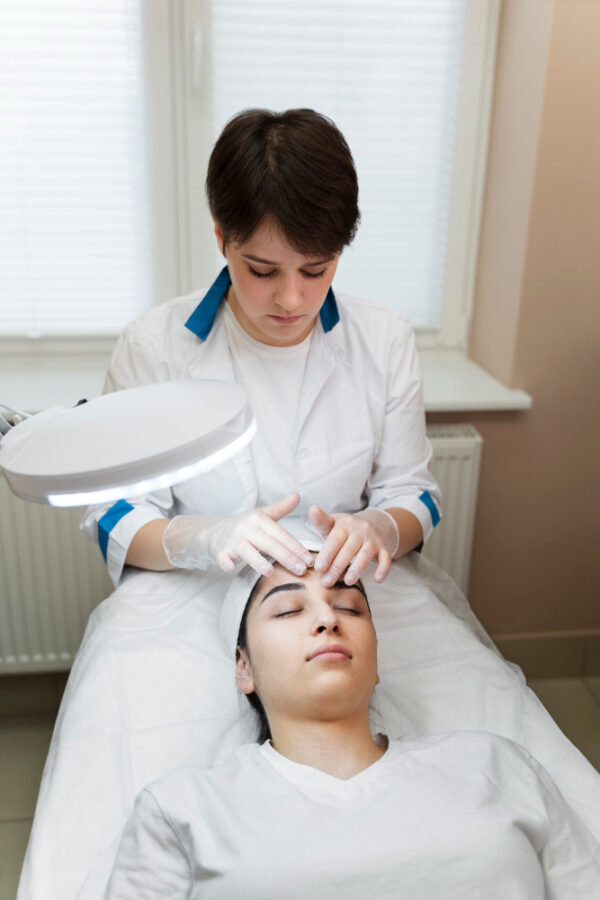
Seek Professional Skin Consultation
If you already have:
- Pigmentation
- Melasma
- Premature aging
- Sensitive skin
- Persistent dullness
it’s best to consult a dermatologist for personalized treatment options.
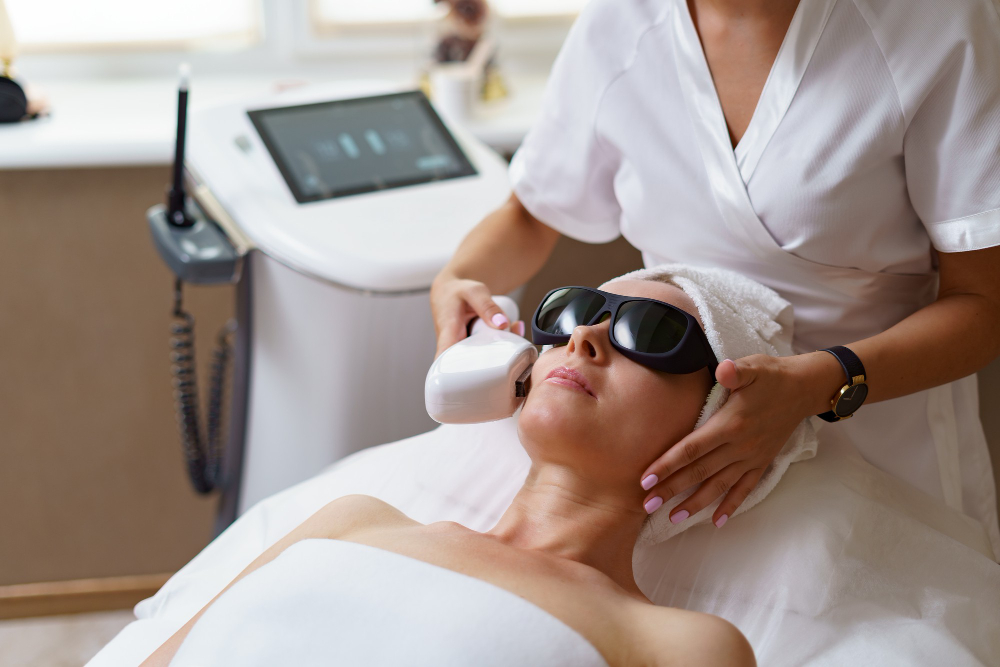
Professional treatments may include:
-
- Chemical peels
- Medi facials
- Laser toning
- Hydrafacial
- Skin barrier repair treatments
- Anti-pigmentation treatments
- Customized skincare plans
Final Thoughts
Blue light from screens may not be the biggest enemy of your skin — but in today’s digital lifestyle, it’s definitely something worth paying attention to.
Combined with pollution, stress, poor sleep, and sun exposure, excessive screen time can contribute to dullness, pigmentation, and premature aging over time.
The good news is that healthy skincare habits, proper sun protection, and early professional guidance can make a significant difference.
Your skin is exposed to enough stress already. A little prevention today can help protect its glow for years to come.

Frequently Asked Questions (FAQ)
Blue light from phones and screens is much weaker than UV rays from sunlight, but prolonged exposure may still contribute to oxidative stress, pigmentation, and premature aging over time. People with melasma or sensitive skin may notice more effects. Combined with pollution and stress, blue light can become an additional factor affecting skin health. Proper skincare and sunscreen use can help reduce the impact.
Research suggests that blue light may stimulate pigment-producing cells in the skin, especially in medium to darker skin tones. This means conditions like melasma and hyperpigmentation may worsen in some individuals with excessive screen exposure. However, blue light is usually not the only cause. Sun exposure, hormones, genetics, and inflammation also play major roles.
Using sunscreen daily, even indoors, is one of the best ways to protect your skin. Dermatologists also recommend antioxidant-rich skincare products like Vitamin C and Niacinamide to help reduce oxidative stress. Taking screen breaks, staying hydrated, and maintaining a healthy sleep routine can also support better skin health over time.
Ingredients like Vitamin C, Niacinamide, Ceramides, Green Tea Extract, and Hyaluronic Acid are commonly recommended for protecting and repairing the skin. Antioxidants help fight free radical damage, while barrier-repair ingredients keep the skin hydrated and healthy. A dermatologist can suggest the best routine based on your skin type and concerns.
If you notice persistent pigmentation, melasma, dark spots, dullness, sensitivity, or signs of premature aging that do not improve with regular skincare, it’s a good idea to consult a dermatologist. Professional evaluation can help identify the actual cause and guide you toward the right treatments. Early treatment often gives better and faster results.
Where Can You Consult for Skin Concerns Related to Blue Light Damage in Delhi?
If you are experiencing pigmentation, dull skin, early aging, or sensitive skin due to modern lifestyle factors, consulting a qualified dermatologist can help you understand the root cause and choose the right treatment plan.
At SkinPrive, Delhi, experienced dermatologists offer personalized skin analysis and advanced treatments for:
- Pigmentation
- Melasma
- Anti-aging
- Skin barrier repair
- Hydration treatments
- Laser toning
- Customized skincare solutions
A professional consultation can help identify whether your skin concerns are related to blue light exposure, lifestyle stress, sun damage, or other underlying factors.

About Dr. Priyanka Tarale
DR. PRIYANKA TARALE Consultant Dermatologist & Laser Physician DDVL, MBBS, Fellow Dermatosurgery & Laser (IADVL, India) Fellow – Dermatologic Laser Surgery (Ramathibodi Hospital, Bangkok) Certified in Aesthetic Medicine (AAAM, USA)
Dr. Priyanka Tarale is a highly accomplished dermatologist and laser surgeon with 14+ years of clinical experience. Recognized among the best dermatologists in South Delhi, she has successfully treated 10,000+ patients with diverse skin and hair concerns. Her expertise spans medical dermatology, advanced laser procedures, anti-aging treatments, and minimally invasive aesthetic enhancements.