Acne Marks vs Acne Scars: Differences, Causes & Treatments
That stubborn spot left behind after a pimple may be more than just a reminder of your breakout- but is it an acne mark or an acne scar?
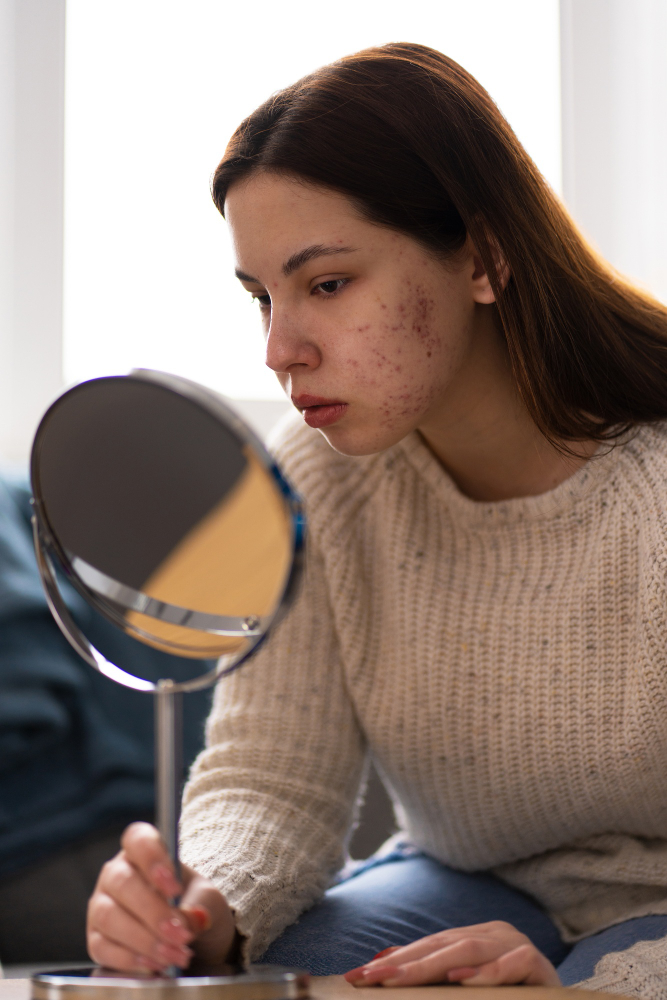
You finally get rid of an acne breakout, only to find that the pimple has left something behind. Maybe it is a brown or dark spot that seems to linger on your skin. Or perhaps you notice a tiny depression, uneven texture, or raised area where the acne once was. Although these concerns are often casually referred to as “acne scars,” acne marks and acne scars are not the same thing.
The key difference lies in what acne has left behind. Acne marks are usually changes in skin color, such as dark spots or lingering redness, whereas acne scars involve a change in the skin’s texture or structure. Identifying the two correctly matters because they do not always respond to the same approach.
If you have been searching for how to remove acne scars, looking for effective acne marks treatment, or wondering what to do about those dark spots after acne, understanding the difference can help you set realistic expectations and choose a more targeted approach.
In this guide, we’ll break down acne marks vs acne scars, what causes them, how they differ, and the dermatologist-recommended treatment options that can help improve their appearance.
Quick Navigation
Acne marks vs acne scars: How can you tell the difference?
Once a breakout has healed, the skin may not immediately return to its previous appearance. The easiest way to understand what you are dealing with is to look at color and texture.
Acne marks
Acne marks are generally flat changes in skin color that remain after a pimple has healed. They do not create a dip or bump in the skin.
They may appear as:
- Brown or dark spots, commonly associated with post-inflammatory hyperpigmentation (PIH)
- Red or pink areas, which may occur after inflammation and are often referred to as post-inflammatory erythema (PIE)
These marks can gradually become less noticeable as the skin heals, although the time taken can vary from person to person.
Acne scars
Acne scars are different because they involve a visible change in the skin's texture. Instead of simply changing the color of the skin, the healed area may appear indented or raised.
Common types include:
- Ice-pick scars: Narrow, deep indentations that extend into the skin.
- Boxcar scars: Wider depressions with more defined edges.
- Rolling scars: Shallow depressions with more defined edges.
- Raised scars: Firm, elevated areas that develop when excess scar tissue forms during healing.
If the affected area is flat and mainly differs in color, you are more likely looking at an acne mark.
If you can feel or see a change in the skin's surface, it is more likely to be an acne scar.
Knowing this distinction is important because the next step-whether it involves skincare or professional procedures-depends on what has actually changed in the skin.
What causes acne marks?
A pimple may disappear, but the inflammation it causes can sometimes leave a temporary change in the skin's color. Acne marks develop as part of the skin's healing response, and several factors can influence how noticeable they become and how long they last.
Inflammation
When acne develops, inflammation can affect the surrounding skin. As the breakout heals, this inflammatory response may leave behind areas of redness or increased pigmentation.
Picking or squeezing pimples
It can be tempting to squeeze a pimple once it becomes noticeable, but doing so can increase inflammation and interfere with the skin's natural healing process. This may make post-acne discoloration more noticeable and can also increase the risk of scarring.
Sun exposure
UV exposure can make pigmentation more noticeable and may cause dark marks to linger for longer. This is why daily sun protection is an important part of managing post-acne discoloration.
Deeper or more inflamed breakouts
Not all acne affects the skin in the same way. Larger, deeper, or more inflamed breakouts can trigger a stronger inflammatory response, increasing the likelihood of lingering marks after the acne has healed.
Individual skin response
The way skin responds to inflammation varies from person to person. Some people are more prone to developing noticeable pigmentation after acne, which means that even a relatively small breakout can leave a visible mark.
Understanding what contributes to acne marks can help you take steps to reduce their appearance while also lowering the chances of new ones developing after future breakouts.
What causes acne scars?
Unlike a temporary change in skin color, acne scars develop when inflammation from acne affects the deeper layer of the skin. As the skin repairs itself, the amount and type of collagen produced during healing can influence how the area looks afterwards.
Deep or severe acne
Deep, inflamed breakouts such as nodules and cysts can cause greater damage to the skin's supporting tissue. This makes them more likely to leave lasting textural changes.
Picking or squeezing acne
Repeatedly picking, popping, or squeezing pimples can increase inflammation and damage surrounding tissue. It may also interfere with normal healing, increasing the risk of permanent scarring.
Delayed treatment
Acne that remains untreated or continues to flare over time can cause repeated inflammation. Managing persistent or severe acne early may help reduce the likelihood of developing new scars.
Individual healing response
Everyone's skin heals differently. The way your body produces and remodels collagen after inflammation can influence whether a healed breakout leaves an indentation, raised area, or an uneven surface.
Repeated breakouts in the same area
When new inflammatory lesions repeatedly develop in the same region, the skin may undergo repeated cycles of inflammation and healing. Over time, this can increase the chance of developing lasting textural changes.
Because acne scars involve changes within the skin's structure, simply waiting for the skin to heal may not always be enough to restore its original texture. The appropriate approach depends on the type, depth, and severity of the scarring.
Acne marks treatment: How to fade dark spots after acne
Acne marks can become less noticeable with time, but the right approach can help support a more even-looking complexion. Treatment depends on factors such as the type of pigmentation, its intensity, and how your skin responds to different products.
Sunscreen
Daily broad-spectrum sunscreen is one of the most important steps when managing post-acne pigmentation. UV exposure can make dark spots more noticeable and may slow their gradual fading. Consistent sun protection also helps prevent existing pigmentation from becoming darker.
Retinoids
Topical retinoids can support skin cell turnover and may help improve uneven pigmentation over time. They can also be useful for people who continue to experience acne, helping address breakouts while working on the marks they leave behind. Because retinoids can irritate, they should be introduced appropriately and used according to dermatological advice.
Azelaic Acid
Azelaic acid is another ingredient commonly used for acne-prone skin with post-inflammatory pigmentation.
It can help address uneven skin tone while also supporting acne management, making it a useful option when both concerns occur together.
Vitamin C
Vitamin C is an antioxidant that can be incorporated into a skincare routine aimed at improving the appearance of uneven pigmentation. It may help brighten the overall appearance of the skin and support a more even-looking complexion.
Professional treatments
When pigmentation is persistent or particularly noticeable, a dermatologist may recommend professional options such as chemical peels, gel peel, or other targeted procedures. Depending on the type and severity of pigmentation, a suitable peel may help improve the appearance of dark spots and promote a more even-looking complexion. The type and strength of the peel should be selected according to your skin type and individual concerns.
Be patient and consistent
Acne marks rarely disappear overnight. Consistent skincare, sun protection, and appropriate treatment can gradually improve their appearance. Avoid repeatedly switching products or using harsh remedies to speed up the process, as irritation can make post-acne pigmentation more difficult to manage.
Acne scars treatment: How to improve acne scarring
If you are wondering how to remove acne scars, it is important to know that treatment is not one-size-fits-all. The most suitable option depends on the type, depth, and severity of the scar, as well as your individual skin characteristics.
Unlike post-acne pigmentation, established textural scars often need treatments that work more deeply within the skin. A dermatologist can assess the scars and recommend an approach based on their appearance and structure.
Microneedling
Microneedling uses fine needles to create controlled micro-injuries in the skin. This stimulates the skin's natural healing response and encourages collagen production, which may help improve the appearance of certain depressed acne scars over time.
Laser treatments
Certain fractional Laser treatments can target uneven skin texture and stimulate collagen remodeling. The type of laser and treatment intensity are selected according to the individual's skin and scar characteristics.
Subcision
Subcision may be considered for certain rolling acne scars. During the procedure, a needle is used beneath the skin to release fibrous bands that pull the scar downward, allowing the depressed area to appear more even.
Chemical reconstruction techniques
For selected deep scars, dermatologists may use targeted chemical treatments designed to improve their appearance. These are different from superficial chemical peels and should only be performed by a qualified professional.
Dermal fillers
In some cases, dermal fillers may be used to temporarily raise certain depressed scars and create a smoother-looking surface. Whether this is appropriate depends on the individual scar and the patient's overall skin condition.
Combination treatment
Some acne scars respond better to a combination of procedures rather than a single treatment. A dermatologist may combine different types of scarring within the same area.
The goal of acne scar treatment is not always to make scars disappear completely, but to soften their appearance and improve overall skin texture. A personalized treatment plan can help determine which approach is most appropriate for your skin.
How to prevent acne marks and scars
Treat acne early to reduce prolonged inflammation.
Avoid picking or popping pimples to minimize skin trauma.
Use sunscreen daily to prevent dark marks from becoming more noticeable.
Keep your skincare routine gentle and avoid over-exfoliation.
See a dermatologist if acne is persistent, painful, or leaving scars.
If you are still experiencing frequent breakouts, treating the active acne is an important part of preventing new marks and scars from developing.
Looking for professional acne marks and acne scars treatment?
If you are based in Delhi or nearby areas such as Gulmohar Park, Green Park, Hauz Khas, Safdarjung Enclave, Defence Colony, Greater Kailash, Panchsheel Park, Malviya Nagar, or Saket, you may consider visiting SkinPrive for a professional consultation. With a patient-first approach and expertise in dermatology and aesthetic treatments, SkinPrive offers one of the best services in Delhi.
Acne marks and scars can look different from person to person, which is why a personalized approach can make a difference. If you are struggling with persistent acne marks, dark spots after acne, or acne scars, professional guidance can help identify the concern and choose an appropriate treatment plan.

At skinPrive, dermatology-led care focuses on understanding your skin and recommending treatments suited to your individual concerns. From managing post-acne pigmentation to improving the appearance of acne scars, the right approach can help you work towards clearer, more even-looking skin.
Final Thoughts on Treating Acne Marks and Acne Scars
Acne may fade, but the signs it leaves behind can sometimes take longer to disappear. Knowing whether you are dealing with an acne mark or an acne scar is the first step towards choosing the right approach. While marks often improve with time, skincare, and sun protection, textural scars may benefit from professional acne scar treatment.
With consistent care and the right guidance, you can work towards smoother, more even-looking skin- and feel more confident in it along the way.
Frequently Asked Questions (FAQ)
No. Acne marks are usually changes in the skin color, such as dark spots or redness, while acne scars involve changes in skin texture or structure.
The best approach depends on the type and severity of the scar. Treatments such as micro needling, laser procedures, subcision, or other dermatologist-recommended options may help improve their appearance.
The timeline varies from person to person. Some marks gradually become lighter over time, while others may persist longer depending on factors such as pigmentation and sun exposure.
Yes, some dark spots may gradually fade as the skin heals. Consistent sun protection and appropriate skincare can help improve their appearance.
There is no single treatment that works for everyone. Options may include sunscreen, topical ingredients such as retinoids or azelaic acid, and professional treatments depending on the type and severity of pigmentation.
Acne scars may not always be completely removed, but appropriate professional treatment can often make them less noticeable and improve overall skin texture.

About Dr. Priyanka Tarale
DR. PRIYANKA TARALE Consultant Dermatologist & Laser Physician DDVL, MBBS, Fellow Dermatosurgery & Laser (IADVL, India) Fellow – Dermatologic Laser Surgery (Ramathibodi Hospital, Bangkok) Certified in Aesthetic Medicine (AAAM, USA)
Dr. Priyanka Tarale is a highly accomplished dermatologist and laser surgeon with 14+ years of clinical experience. Recognized among the best dermatologists in South Delhi, she has successfully treated 10,000+ patients with diverse skin and hair concerns. Her expertise spans medical dermatology, advanced laser procedures, anti-aging treatments, and minimally invasive aesthetic enhancements.