Which Acne Treatment Works Best According to Dermatologists?
Acne is one of the most frustrating skin concerns because it affects not just your appearance but also your confidence. Whether it’s occasional breakouts or stubborn, painful acne that refuses to go away, most people eventually wonder: Which acne treatment actually works best?
The truth is, acne isn’t the same for everyone. That’s why dermatologists don’t believe in a “one-size-fits-all” solution. Instead, they recommend treatments based on your acne type, skin type, lifestyle, and even your hormones.
In this blog, we’ll break down the most effective acne treatments dermatologists use today—explained in simple, human-friendly language.

Why Does Acne Happen in the First Place?
Understanding why acne develops is the first step toward choosing the right treatment. Acne is rarely caused by just one factor—it’s usually the result of multiple internal and external triggers working together. Below are the most common causes of acne.
1. Excess Oil (Sebum) Production
Overactive oil glands clog pores and create the perfect environment for breakouts.
2. Clogged Pores
Dead skin cells, excess oil, and impurities block the pores, leading to whiteheads and blackheads.
3. Bacterial Overgrowth
The acne-causing bacteria C. acnes grows inside clogged pores, causing inflammation and pus-filled pimples.
4. Hormonal Imbalance
Fluctuations in hormones—especially during puberty, periods, PCOS, pregnancy, or stress—can increase oil production and trigger deep, painful acne.
5. Stress & Lifestyle Factors
Lack of sleep, poor diet, high stress levels, and irregular routines can worsen acne and slow healing.
6. Heavy Skincare or Makeup Products
Comedogenic (pore-clogging) products can block pores and lead to recurring breakouts.
7. Genetics
If acne runs in your family, you may be more prone to persistent or severe breakouts.
Dermatologists always start by identifying the root cause of acne before recommending treatment. Treating acne without understanding why it’s happening is like trying to cover a leak with tape—it may help temporarily, but the problem keeps coming back.
Topical Acne Treatments: The First Step for Most Acne Cases
For mild to moderate acne, dermatologists usually begin with topical (applied-on-skin) treatments. These target clogged pores, inflammation, bacteria, and excess oil.
Retinoids (Tretinoin, Adapalene)
- Unclog pores
- Reduce whiteheads & blackheads
- Prevent future acne
- Fade marks over time
Retinoids are considered the gold standard for acne because they target multiple causes at once.
Benzoyl Peroxide (BPO)
- Kills acne-causing bacteria
- Reduces inflammation
- Works quickly on fresh breakouts
Often available in gels and face washes.
Salicylic Acid (BHA)
- Exfoliates inside pores
- Reduces oil
- Clears whiteheads & blackheads
Perfect for oily, acne-prone skin.
Clindamycin or Other Topical Antibiotics
- Reduce bacterial infection
- Usually combined with retinoids or benzoyl peroxide
Dermatologists avoid using topical antibiotics alone to prevent resistance.
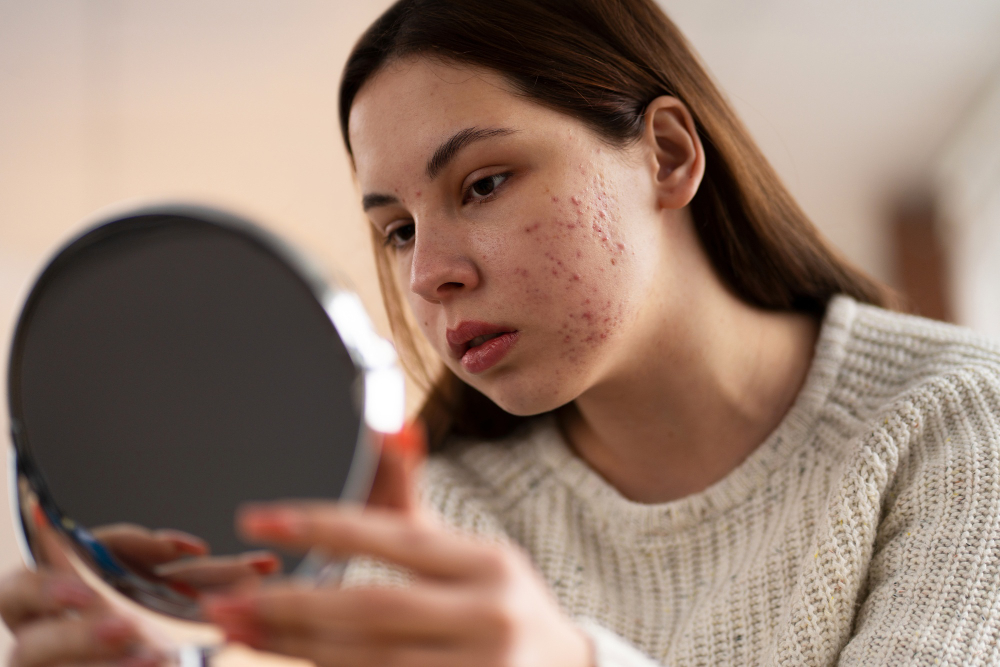
Oral Medications for Moderate to Severe Acne
When acne is persistent, painful, hormonal, or widespread, dermatologists may recommend oral treatments.
Oral Antibiotics
- Reduce bacteria
- Calm inflammation
- Helpful for cystic acne
Used only for short durations for safety.
Oral Retinoids (Isotretinoin)
The most powerful and long-term acne treatment. Prescribed for:
- Severe acne
- Frequent cysts
- Acne unresponsive to other treatments
- Recurring breakouts
Isotretinoin shrinks oil glands, prevents clogged pores, reduces bacteria, and offers long-term remission.
Hormonal Treatments (For Women)
Best for acne related to menstrual cycles or PCOS. Includes:
- Birth control pills
- Anti-androgen medications
These help control hormone-driven breakouts.
In-Clinic Dermatology Procedures for Faster Results
Dermatologists often combine oral or topical medications with skincare procedures for better, quicker improvement.
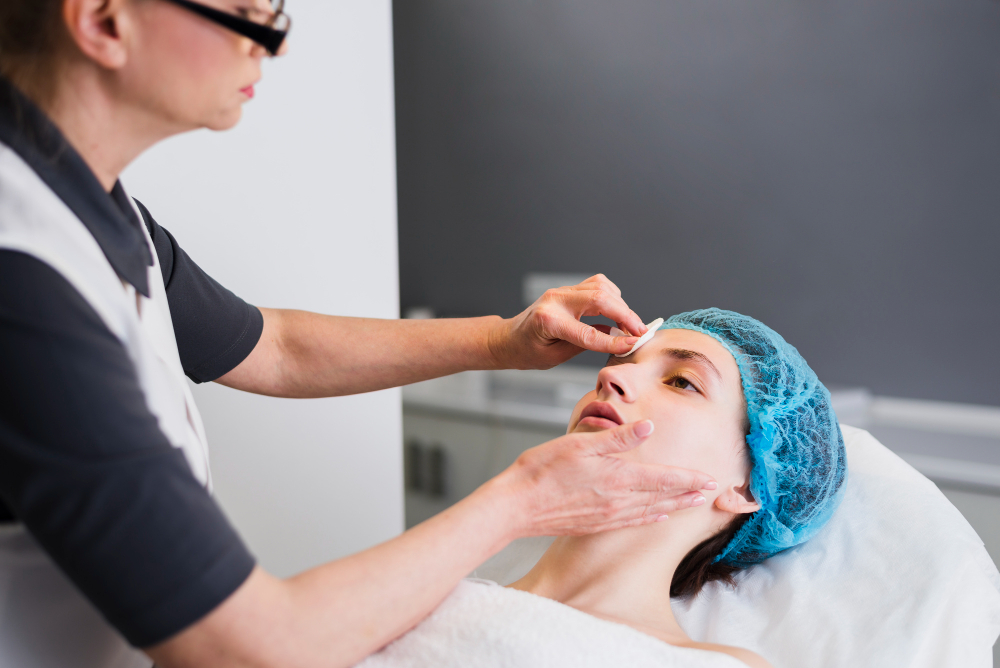
Chemical Peels
Light chemical peels with salicylic acid, glycolic acid, or lactic acid:
- Reduce active acne
- Lighten marks
- Improve skin texture
Usually done in multiple sessions.
Comedone Extraction
Safely removes blackheads and whiteheads—never attempt squeezing at home.
Laser or Light Therapies
Help reduce:
- Acne-causing bacteria
- Redness and inflammation
Great for painful, inflamed breakouts.
MNRF or Microneedling (Post-Acne)
These treatments do not treat active acne—they are recommended later for acne scars.
Dermatologist-Recommended Skincare Routine
A supportive skincare routine is essential for acne improvement. Dermatologists advise:
- Gentle, non-comedogenic cleanser
- Oil-free moisturizer
- Daily sunscreen
- Avoiding too many active ingredients at once
- Avoiding heavy oils and pore-clogging makeup
Healthy habits—like reducing stress, sleeping well, keeping pillowcases clean, and eating balanced meals—also support acne healing.
Which Acne Treatment Works Best?
Dermatologists don’t rely on one universal treatment. The best plan depends on:
- Acne type
- Severity
- Skin type
- Medical history
- Tendency to scar
- Duration of acne
For Whiteheads & Blackheads
- Retinoids
- Salicylic acid
- Chemical peels
- Comedone extraction
For Red, Inflamed Pimples (Papules & Pustules)
- Benzoyl peroxide
- Short-term oral antibiotics
- Retinoids
- Light therapies
For Hormonal Acne
- Oral medication
- Hormonal therapy
- Retinoids
- Specific chemical peels
For Severe, Deep Cystic Acne
- Oral isotretinoin (most effective long-term option)
This is why consulting a dermatologist is important—they create a personalized treatment plan based on your exact skin concerns. Many patients seek the best dermatologist in South Delhi for customized acne solutions that deliver visible results.
How Long Does Acne Treatment Take to Work?
- 4–6 weeks: Initial results
- 8–12 weeks: Significant improvement
- 3–6 months: Best results for stubborn or hormonal acne
Acne treatment requires patience and consistency, but results are worth the wait.
Can Acne Be Cured Permanently?
Acne can be controlled long-term, and many people achieve clear skin. However, triggers such as:
- Hormones
- Stress
- Lifestyle
- Skincare habits
- Genetics
can cause new breakouts.
With the right dermatologist-guided routine, acne becomes much easier to manage.
Conclusion
Acne can be frustrating—especially when multiple products fail. But dermatologist-approved treatments offer real, lasting improvement. With the right combination of medicines, skincare, and professional procedures, clear, healthy skin is achievable.
If you’re unsure where to begin or are dealing with stubborn breakouts, consulting a qualified dermatologist is the most effective step.
Frequently Asked Questions (FAQ)
Benzoyl peroxide and salicylic acid work quickly, but dermatologist-guided treatments deliver the best long-term results.
Through oral medications, hormonal therapy, retinoids, and lifestyle adjustments.
Yes—dairy, sugary foods, and oily foods can trigger breakouts in some people.
Yes, especially if the cause is hormonal or genetic. Maintenance skincare helps prevent flare-ups.
Yes, when taken under dermatologist supervision with regular monitoring.
Yes—Dermapen 4, microneedling, CO₂ laser, and chemical peels work effectively.
Never. It can cause scarring, infection, and more inflammation.
Yes, but choose lightweight, non-comedogenic products and remove makeup thoroughly.