Korean Hair Spa: Why This Advanced Scalp Therapy Is Becoming So Popular
When people talk about hair care, the conversation usually revolves around shampoos, oils, conditioners, and serums. But surprisingly, these products treat only the visible part of the hair.
The real source of healthy hair lies beneath the surface — the scalp.
Just like fertile soil helps plants grow stronger, a healthy scalp creates the right environment for hair follicles to function properly. When the scalp becomes congested with oil, pollution, product residue, or stress-related tension, hair quality slowly begins to decline.
This is one of the main reasons why Korean scalp therapies, especially the Korean Hair Spa, have become increasingly popular across the world.
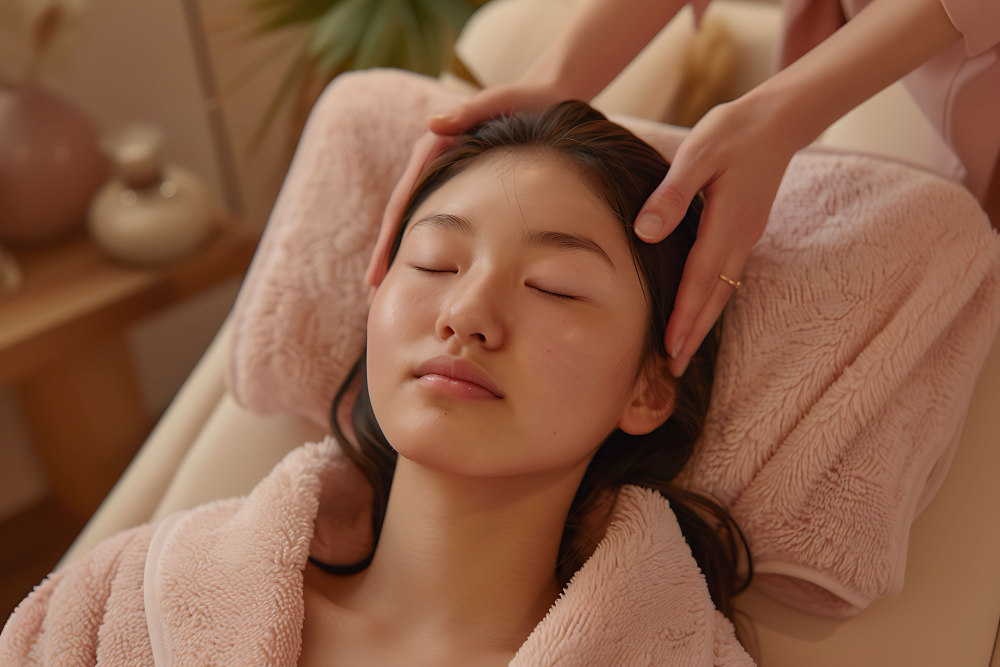
Unlike traditional hair treatments that focus only on shine and softness, Korean hair spa therapies aim to restore balance to the scalp, improve circulation, and support healthier hair growth from the root.
The Growing Trend of Korean Scalp Care
Korean beauty treatments are known for their detailed and science-based approach to skincare and wellness. This philosophy is now being applied to hair care as well.
Instead of simply washing and conditioning the hair, Korean scalp therapy treatments focus on:
- Deep scalp cleansing
- Removal of buildup and impurities
- Nourishing hair follicles
- Improving scalp circulation
- Balancing oil production
The goal is not just to improve hair appearance for a day but to improve the overall health of the scalp over time.
A popular example of this approach is the 16-step Korean Hair Spa, a structured therapy designed to rejuvenate the scalp using modern technology and relaxation techniques.
Why Scalp Problems Are Becoming More Common
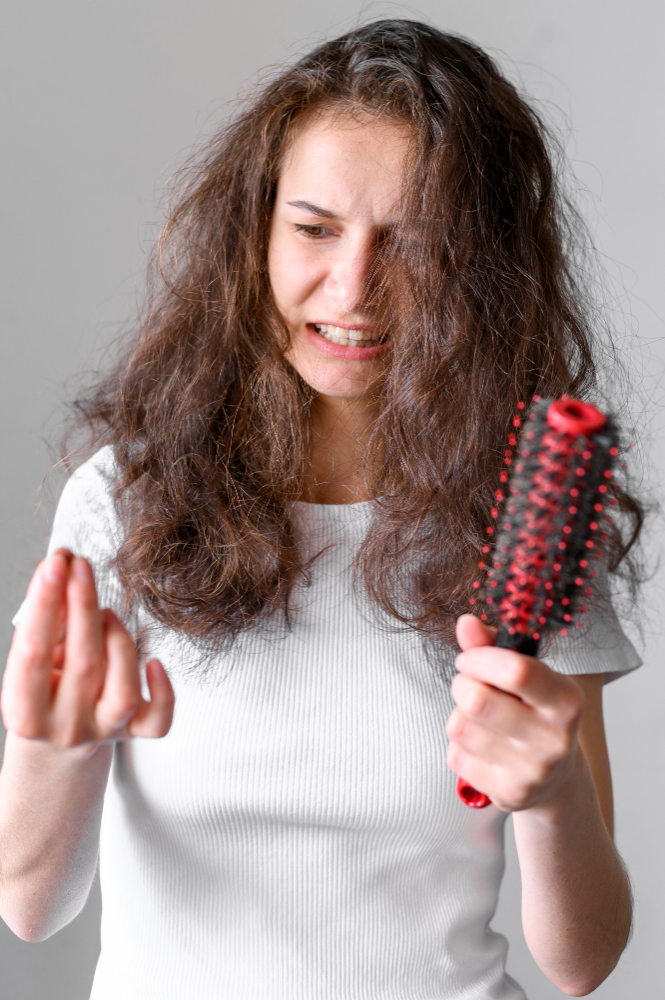
Many people today experience hair fall, dandruff, or scalp sensitivity even when they are using good hair products.
The reason often lies in lifestyle factors that silently affect scalp health.
Some common triggers include:
- Air pollution and dust exposure
- Stress and mental fatigue
- Lack of sleep
- Hormonal changes
- Poor nutrition
- Excessive heat styling
- Frequent use of hair products
Over time, these factors can lead to clogged follicles, poor blood circulation, and imbalanced oil production. When this happens, hair roots may weaken and shedding can increase.
This is where targeted scalp therapies can make a noticeable difference.
What Happens During a Korean Hair Spa Session?
A Korean Hair Spa session is designed to treat the scalp in multiple stages rather than relying on a single product or technique.
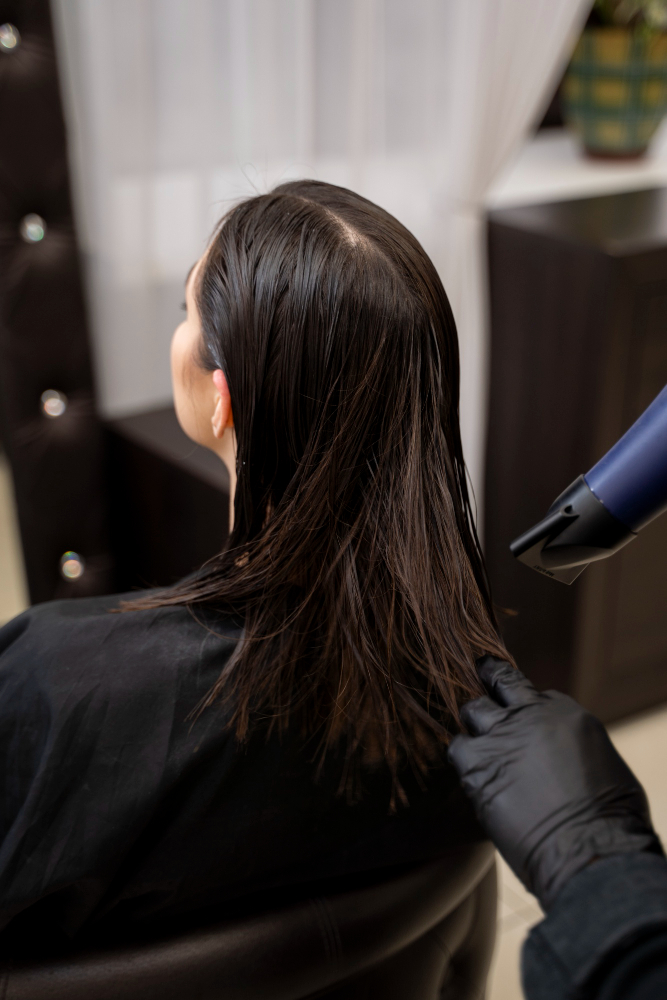
The process usually begins with a detailed scalp examination, where specialists assess oil levels, dryness, dandruff, and follicle condition.
After the assessment, the treatment progresses through several carefully planned steps that may include:
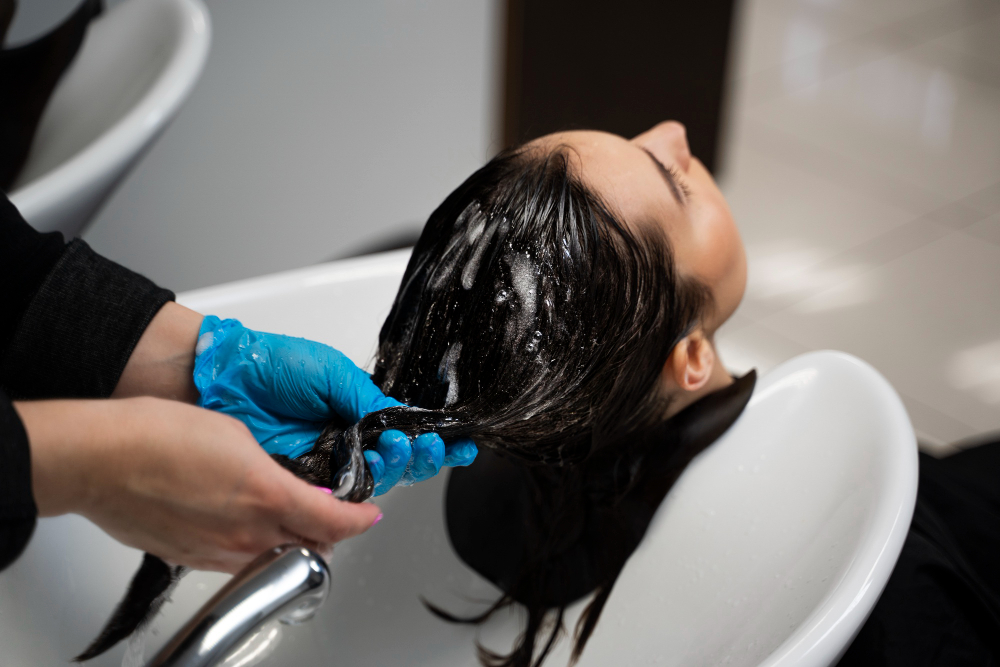
- Deep scalp cleansing to remove residue
- Gentle exfoliation to clear blocked follicles
- Application of nourishing oils and scalp serums
- Steam therapy to improve absorption
- Relaxing scalp massage to improve blood circulation
- Protein and collagen treatments for scalp nourishment
- LED light therapy to stimulate follicles
- Cooling therapy to calm the scalp
These steps work together to refresh the scalp, encourage better circulation, and create a healthier environment for hair growth.
The entire session usually lasts around 75 to 90 minutes, allowing enough time for each stage to work effectively.
How Korean Hair Spa Is Different from Regular Hair Spa
Many salons offer hair spa treatments, but most of them primarily focus on improving hair softness and shine.
Korean scalp therapy takes a more comprehensive approach.
Instead of treating the hair strands alone, the treatment is designed to target the scalp — the place where hair growth begins.
Some key differences include:
- Detailed scalp analysis before the treatment
- Multi-step process instead of a quick massage
- Use of scalp-focused products rather than only hair masks
- Technology-assisted therapy such as LED stimulation
- Focus on circulation and follicle health
Because of this deeper approach, Korean hair spa treatments are often recommended for people who want long-term scalp maintenance rather than temporary results.
Benefits of Korean Hair Spa Treatment
A well-performed Korean Hair Spa session can support scalp health in several ways.
Promotes a Cleaner Scalp Environment
Deep cleansing and exfoliation help remove oil buildup, dead skin cells, and residue from styling products.
Improves Blood Circulation
Massage techniques and stimulation therapies increase blood flow, which helps nourish hair follicles.
Helps Manage Dandruff
Removing buildup and restoring oil balance may reduce flaking and irritation.
Balances Oil Production
Some scalps produce excess oil, while others become dry and flaky. Scalp therapies help restore this balance.
Supports Stronger Hair Roots
Protein and nutrient-based treatments can help strengthen weakened hair follicles.
Relieves Stress and Scalp Tightness
The relaxing nature of the treatment can help release tension in the scalp muscles.
Enhances Hair Texture
Many people notice smoother, shinier hair after a few sessions.
It is important to note that scalp therapy supports hair health but does not replace medical treatments for severe hair loss conditions.
Who Can Benefit from Korean Hair Spa?
Korean Hair Spa may be helpful for individuals who:
- Experience mild to moderate hair fall
- Have dandruff or flaky scalp
- Struggle with oily scalp or buildup
- Frequently use styling products
- Work in polluted environments
- Feel scalp tightness due to stress
It can also be a good preventive treatment for people who want to maintain healthy scalp conditions.
However, people with active scalp infections, wounds, or severe skin conditions should consult a professional before undergoing the therapy.
How Often Should You Get Korean Hair Spa?
The frequency of treatment depends on individual scalp condition.
For general scalp maintenance, one session every 4 to 6 weeks is usually sufficient.
If someone is experiencing scalp imbalance or hair fall, specialists may recommend sessions every 2 to 3 weeks initially, followed by maintenance treatments.
Regular care is more beneficial than doing the treatment occasionally.
What Results Can You Expect?
After a single session, many people notice:
- A refreshed and cleaner scalp
- Less oiliness
- Relaxed scalp muscles
- Softer hair texture
With consistent sessions, the benefits may include improved scalp balance and stronger hair roots.
However, results vary depending on individual scalp conditions and lifestyle factors.
Final Thoughts
Hair health is closely linked to scalp health. When the scalp is neglected, hair quality often suffers regardless of how many products are used.
Treatments like Korean Hair Spa focus on restoring scalp balance through cleansing, nourishment, and stimulation techniques.
By addressing the root environment where hair grows, these therapies aim to support healthier hair over time.
For people dealing with scalp buildup, mild hair fall, dandruff, or stress-related scalp tension, a structured scalp therapy can be a helpful addition to their hair care routine.
Where can I get Korean Hair Spa in Delhi?
The 16-step Korean Hair Spa treatment is available at Skinprive Clinic, where the therapy is performed in a hygienic clinical setup with professional scalp analysis and customized care. If you are experiencing hair fall, dandruff, scalp buildup, or simply want to maintain healthier roots, consulting with specialists at Skinprive Clinic, Delhi can help you determine the right scalp care plan.
Frequently Asked Questions (FAQ)
Korean Hair Spa focuses on scalp health with multi-step therapy and technology-based treatments, while regular hair spa mainly improves hair softness and shine.
For maintenance, once every 4–6 weeks is usually recommended. For scalp issues, treatments may be advised more frequently at the beginning.
It may help reduce mild hair fall by improving scalp health, stimulating circulation, and strengthening hair roots.
Most Korean Hair Spa treatments take around 75–90 minutes, depending on the procedure and scalp condition.
Yes, it is generally safe for most hair types when performed by trained professionals. However, people with scalp infections or skin conditions should seek professional advice first.
It helps improve scalp health and follicle environment but is not a cure for genetic baldness or advanced hair loss.