Best Treatment for Sun Tan and Sun Damage: What Dermatologists Recommend
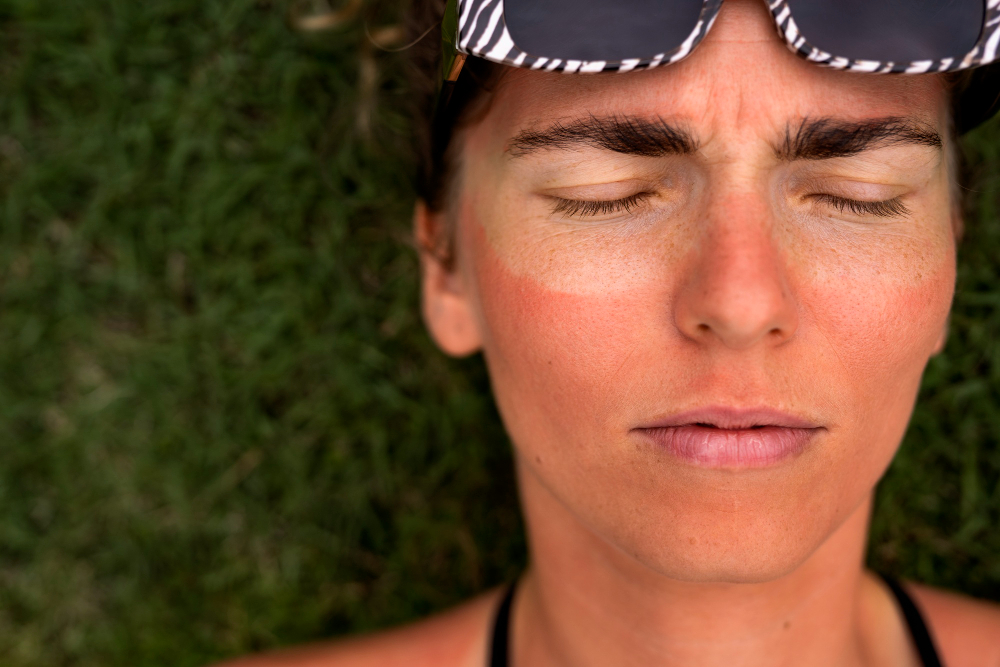
Spending time outdoors is a normal part of life, especially in a sunny country like India. However, frequent exposure to strong sunlight can affect your skin in many ways. One of the most common concerns people notice is sun tan, where the skin becomes darker after prolonged sun exposure.
While tanning may seem temporary, continuous exposure to harmful UV rays can lead to long-term sun damage, affecting both the appearance and health of your skin. Fortunately, dermatological treatments today can help restore skin tone, repair damage, and protect the skin from further harm.
In this article, we’ll explain what sun tanning is, what problems it can cause, and the best treatments available for sun-damaged skin.


What Is Sun Tan?
Sun tan occurs when your skin is exposed to ultraviolet (UV) rays from the sun. To protect itself, the skin produces more melanin, the natural pigment responsible for skin color.
This increase in melanin causes the skin to appear darker. While mild tanning may fade after a few weeks, repeated sun exposure can cause deeper pigmentation and lasting skin damage.
Sun Tanning Can Cause Several Skin Problems
Many people assume tanning is only a temporary cosmetic issue, but excessive sun exposure can lead to multiple skin concerns.
Sun tanning can cause:
- Uneven skin tone and persistent tanning
- Dark spots and pigmentation
- Sunspots and freckles
- Rough and dehydrated skin
- Loss of natural skin glow
However, the effects of sun exposure go beyond tanning. Long-term UV exposure can lead to more serious skin concerns.
Long-Term Effects of Sun Damage on Skin
Skin Cancer Risk
Another serious concern linked to excessive sun exposure is Skin Cancer.
Continuous exposure to UV radiation can damage skin cells and increase the risk of abnormal cell growth. While skin cancer is less common compared to Western countries, awareness and early prevention are extremely important.
Warning signs that should not be ignored include:
- A mole that changes in size, shape, or color
- A new unusual skin growth
- A sore that does not heal
- Persistent itching or bleeding from a skin lesion
Regular skin check-ups with a dermatologist help detect problems early.
Premature Aging (Photoaging)
One of the most common long-term effects of sun exposure is Photoaging. This refers to early aging of the skin caused by ultraviolet radiation.
Signs of photoaging include:
- Fine lines and wrinkles
- Loose or sagging skin
- Rough skin texture
- Uneven pigmentation
- Dull and tired-looking skin
UV rays break down collagen and elastin, the proteins that keep skin firm and youthful. Over time, this leads to early aging of the skin.
Best Treatments for Sun Tan and Sun Damage
Modern dermatology offers effective treatments that can help remove tanning and repair damaged skin.
How to Prevent Sun Tan and Sun Damage
Prevention plays a major role in protecting your skin from long-term damage.
Dermatologists recommend the following steps:
- Apply broad-spectrum sunscreen (SPF 30 or higher) every day
- Reapply sunscreen every 2–3 hours when outdoors
- Wear sunglasses, hats, and protective clothing
- Avoid direct sun exposure during peak hours (11 AM – 4 PM)
- Keep your skin hydrated with a good moisturizer
These simple habits can significantly reduce tanning and prevent premature skin aging.

Where Can I Get Sun Tan Treatment in Delhi?
If tanning or pigmentation does not fade with regular skincare, consulting a dermatologist is the best step.
Professional treatments for sun tan and sun damage are available at Skinprive Clinic in Delhi. After evaluating your skin condition, a dermatologist can recommend appropriate treatments such as chemical peels, laser therapy, or HydraFacial to help restore your skin’s natural tone.
Personalized treatment ensures the procedure is safe and suitable for your skin type.
Frequently Asked Questions (FAQ)
If tanning, pigmentation, or dull skin persists for several weeks despite proper skincare and sun protection, consulting a dermatologist is recommended.
Chemical peels, HydraFacial, and laser treatments are commonly recommended depending on the severity of tanning and pigmentation.
Sunscreen greatly reduces the risk of tanning and sun damage, but it must be applied correctly and reapplied regularly for effective protection.
Yes. Long-term sun exposure can lead to photoaging, which causes wrinkles, pigmentation, and loss of skin elasticity.
Mild tanning may fade within a few weeks with proper skincare and sun protection. However, deeper pigmentation may require dermatological treatments.

About Dr. Priyanka Tarale
DR. PRIYANKA TARALE Consultant Dermatologist & Laser Physician DDVL, MBBS, Fellow Dermatosurgery & Laser (IADVL, India) Fellow – Dermatologic Laser Surgery (Ramathibodi Hospital, Bangkok) Certified in Aesthetic Medicine (AAAM, USA)
Dr. Priyanka Tarale is a highly accomplished dermatologist and laser surgeon with 14+ years of clinical experience. Recognized among the best dermatologists in South Delhi, she has successfully treated 10,000+ patients with diverse skin and hair concerns. Her expertise spans medical dermatology, advanced laser procedures, anti-aging treatments, and minimally invasive aesthetic enhancements.